
Kalie’s Favorite Trauma Resources
“Trauma is a subjective, perceptive, and physiological response to a person, place, or thing that overwhelms the nervous system’s natural capacity to cope. Practically, this means that trauma is in the eye of the beholder. What is traumatic for one person may not be traumatic for another, and the body may experience trauma as a result of either a real threat or a perceived one. Other teams of researchers have reported that when an individual experiences an overwhelming or terrifying event, their natural threat response mechanisms are automatically deployed, causing a person to fight, flee, or freeze. These response mechanisms circumvent rational and logical thought and appeal to primal instincts in an attempt to keep one safe. Still other research has concluded that human responses to threats are multidimensional, spanning the “biological, primitive, instinctual, and physiological, that is, [they are] subcortical in nature,” rather than cognitive. This means that trauma is determined by one’s response rather than by a particular person, place, or thing. Simply put, trauma is subjective. Individuals vary significantly in their ability to handle various stressors, challenges, and overwhelming situations, based on a variety of factors such as genetic makeup, early environmental challenges, and attachment patterns. Even two siblings who grew up in the same home and were exposed to the same messages and experiences may respond to them in different ways.”
- Laura Anderson
Disclaimer: The resources on this list are shared for learning, reflection, and growth. It is intended for educational purposes only and is not therapy, clinical supervision, consultation, or individualized clinical guidance.
I do not necessarily agree with or endorse everything in each resource. I included them because something in each one may be helpful, meaningful, thought-provoking, or important for our work as social workers. Some may offer clinical insight, while others may help us hear different lived experiences and broaden our understanding of the world.
As you engage with these materials, I encourage you to bring curiosity, cultural humility, and critical thinking. Consider who created the resource, whose voices are centered, whose may be missing, and how culture, power, privilege, and context shape what is being shared.
A resource can be useful and still be imperfect. It can teach us something while also needing critique. The goal is not to agree with everything, but to keep learning, questioning, and expanding our perspectives.
Foundational Trauma Resources
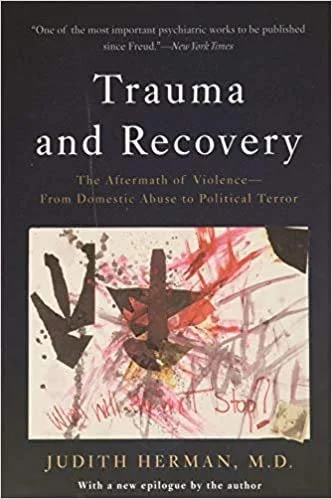
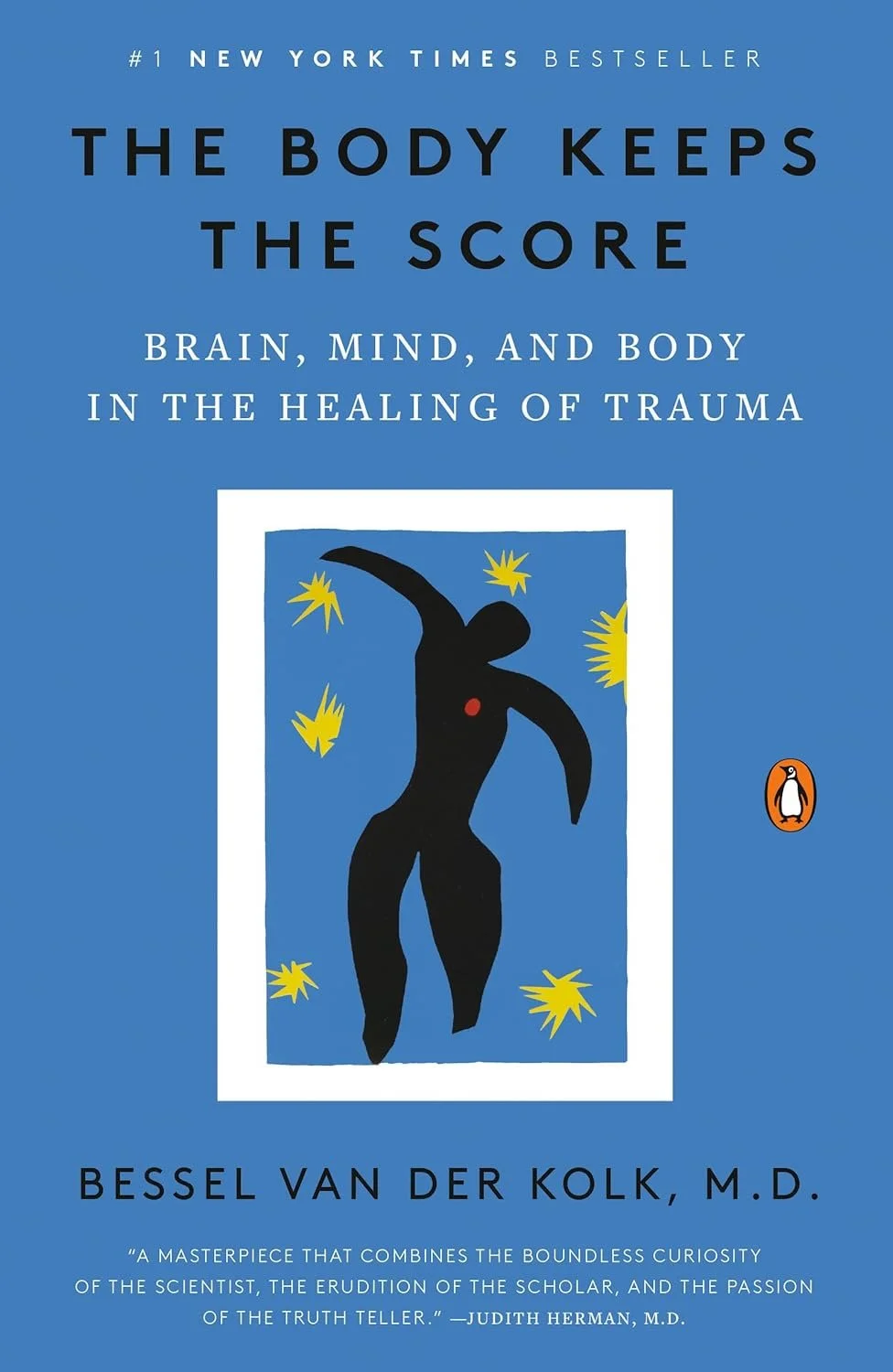

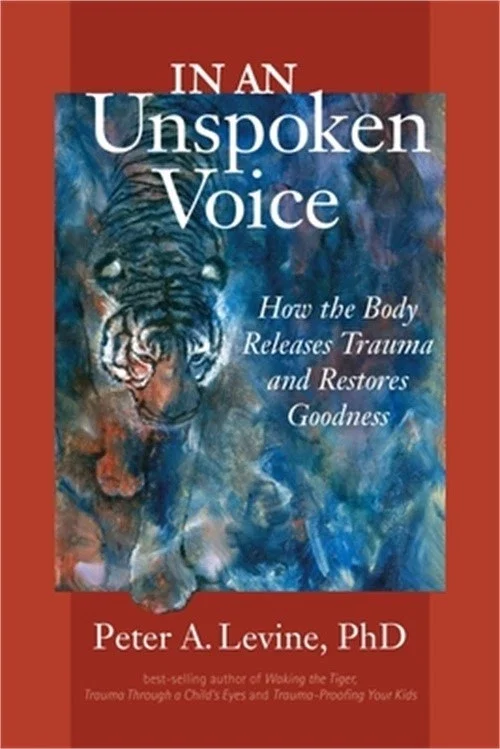
Developmental Trauma and Attachment

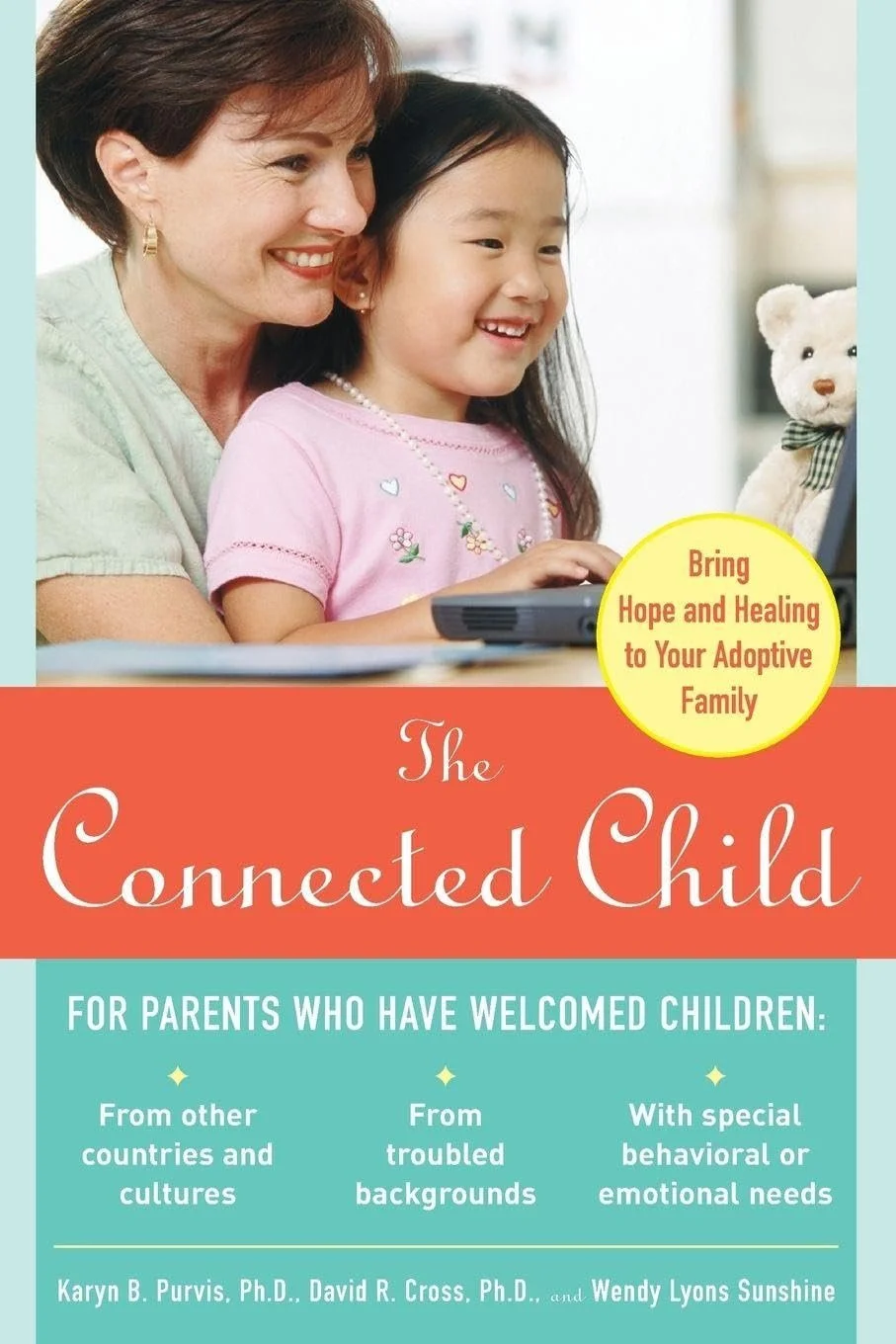

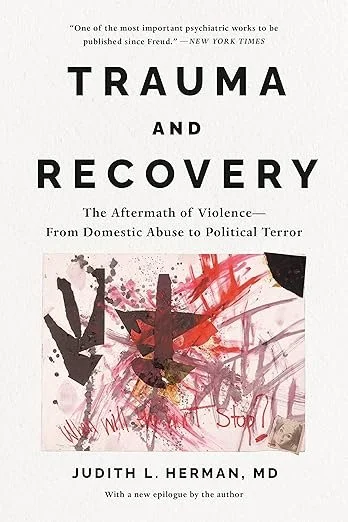
Complex Trauma and C-PTSD




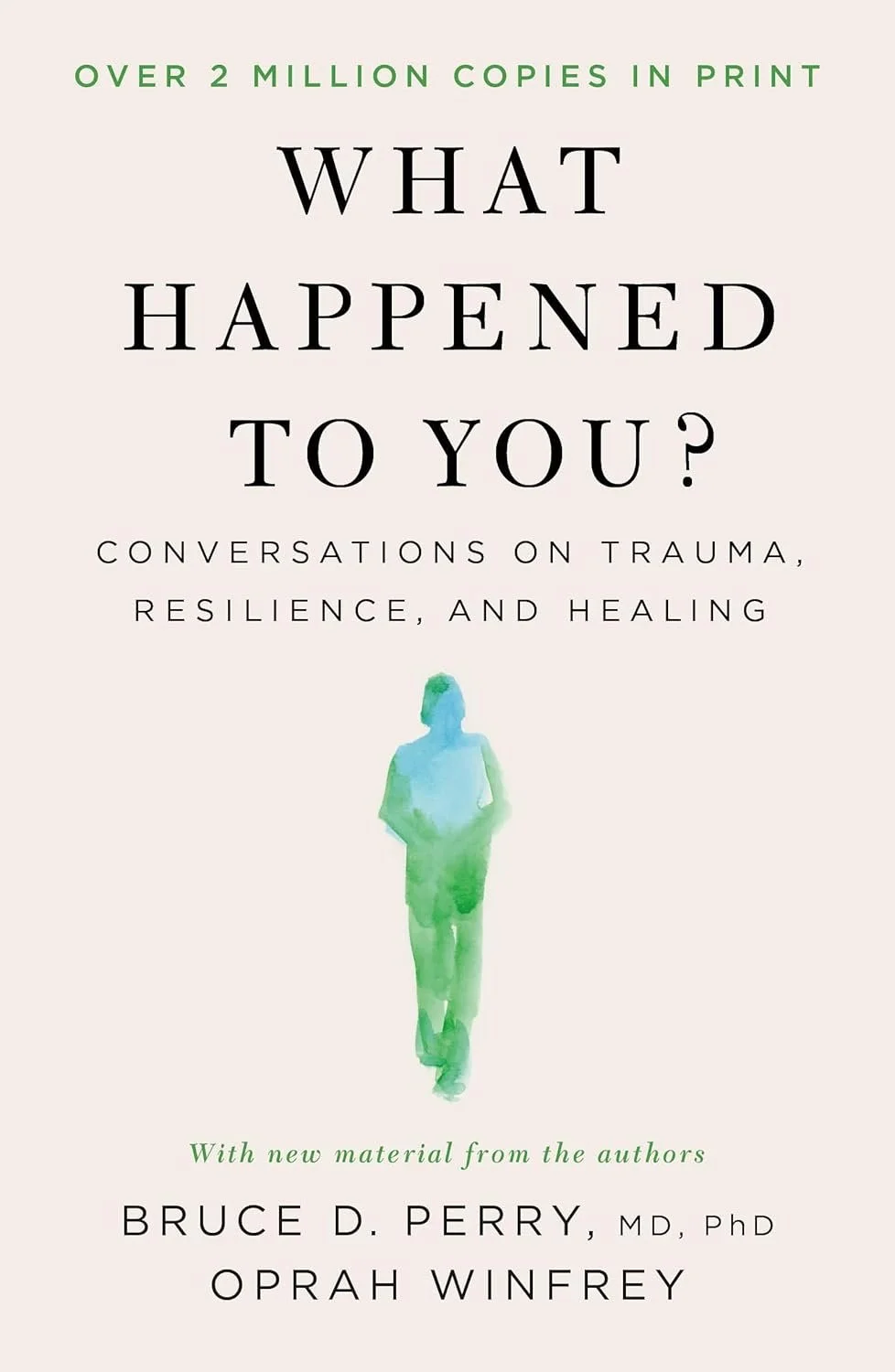
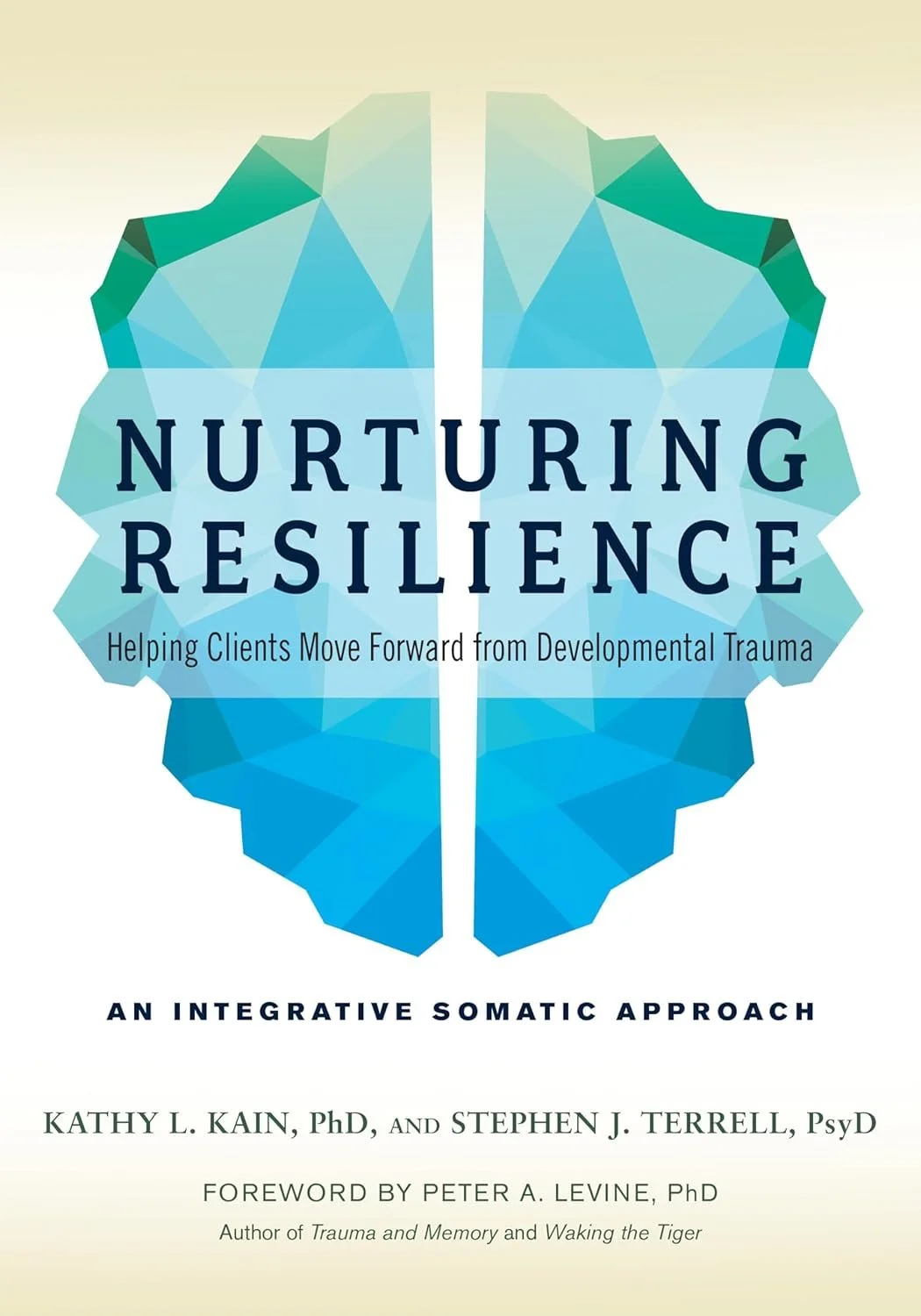
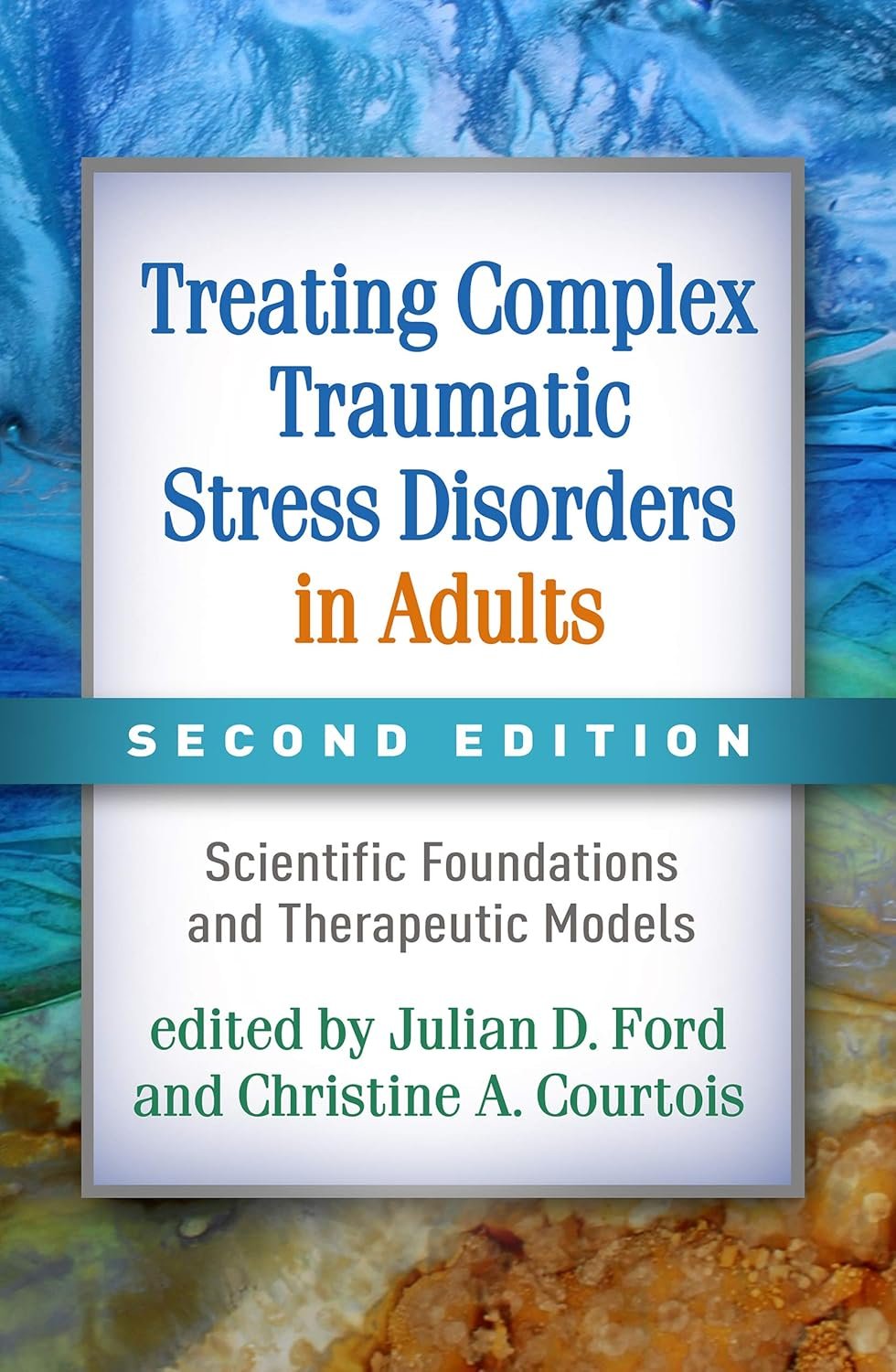
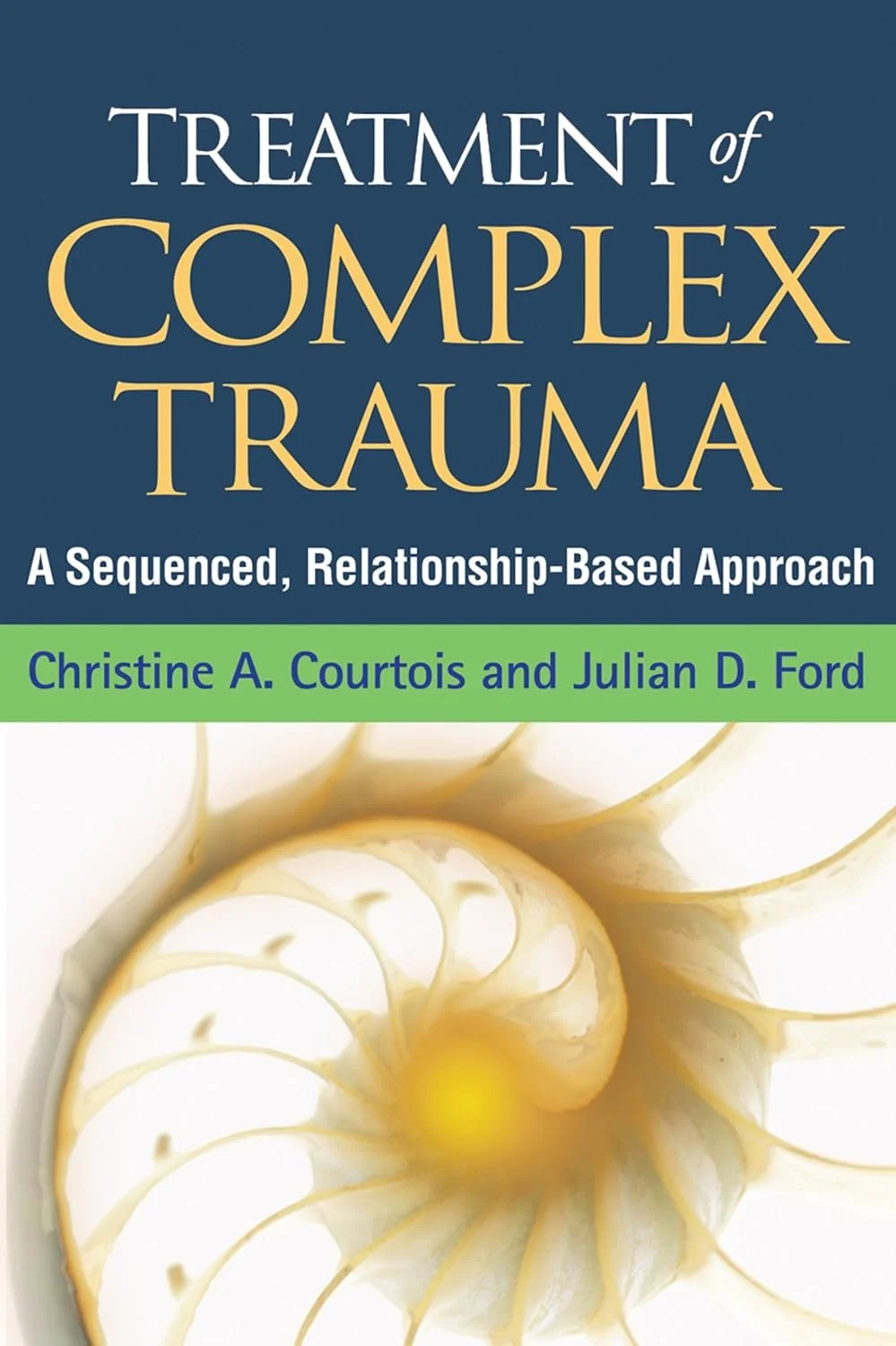
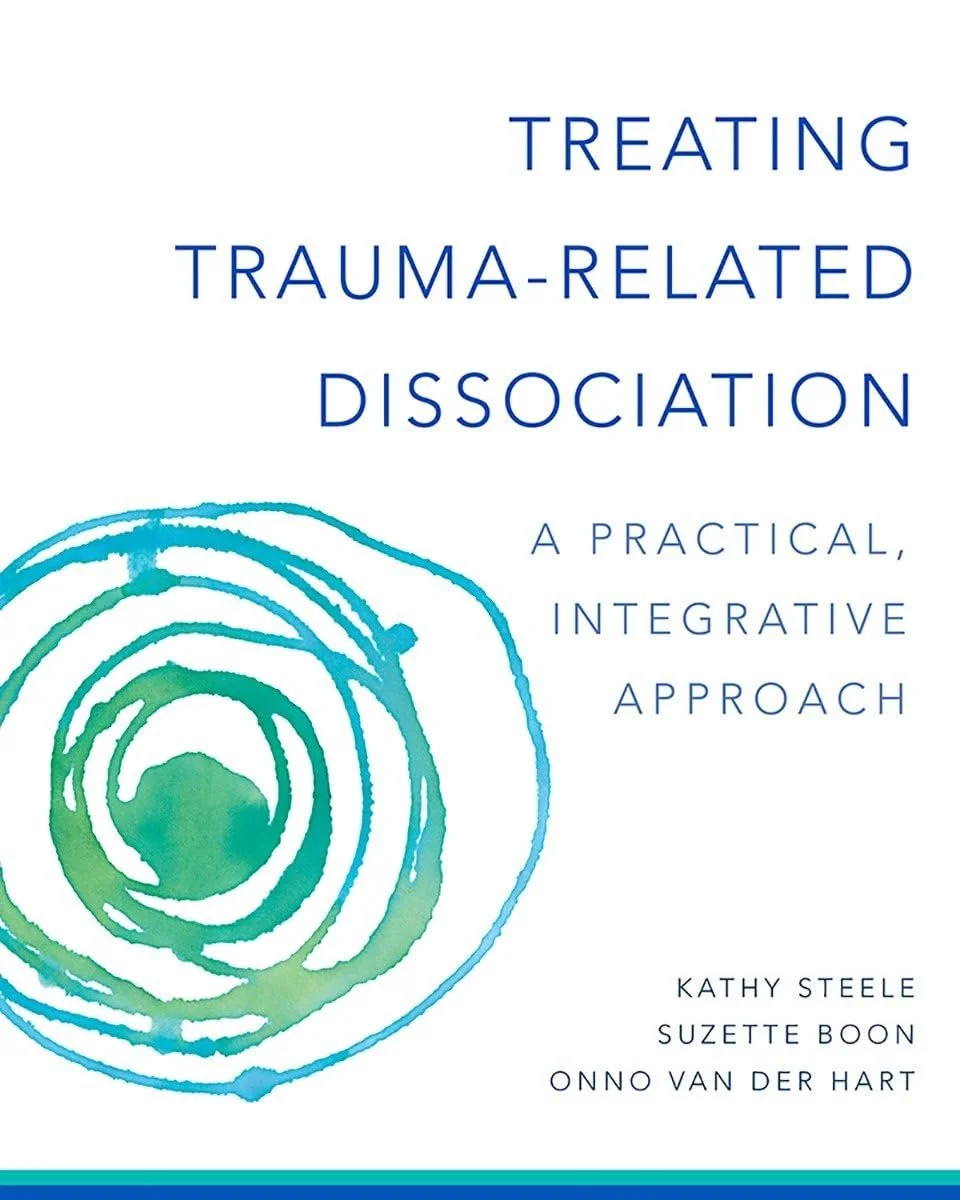
Trauma-Related Dissociation


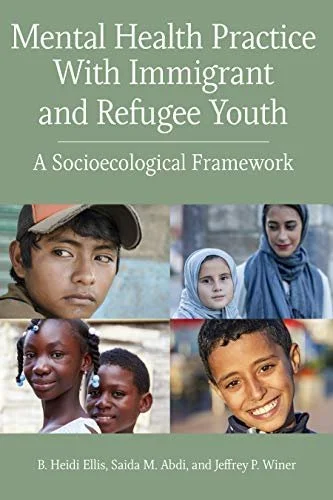
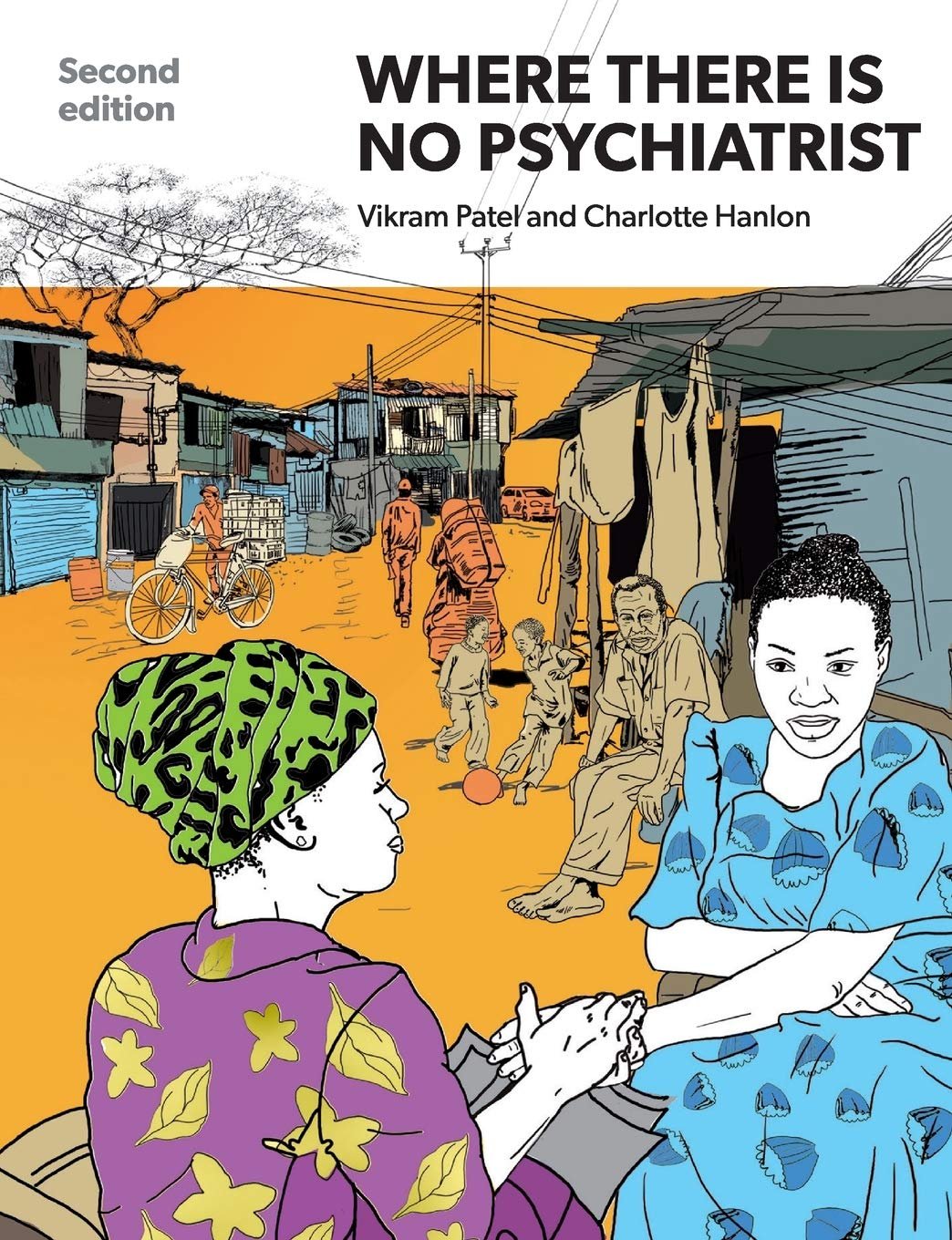
Cross-Cultural, Global, and Humanitarian Trauma Work
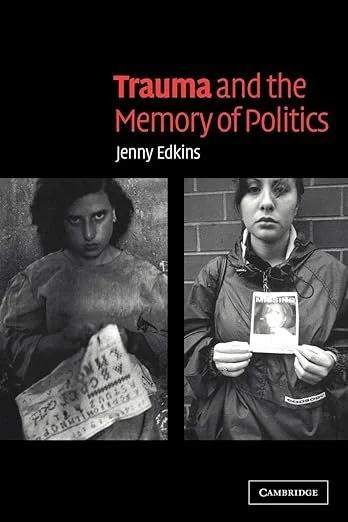
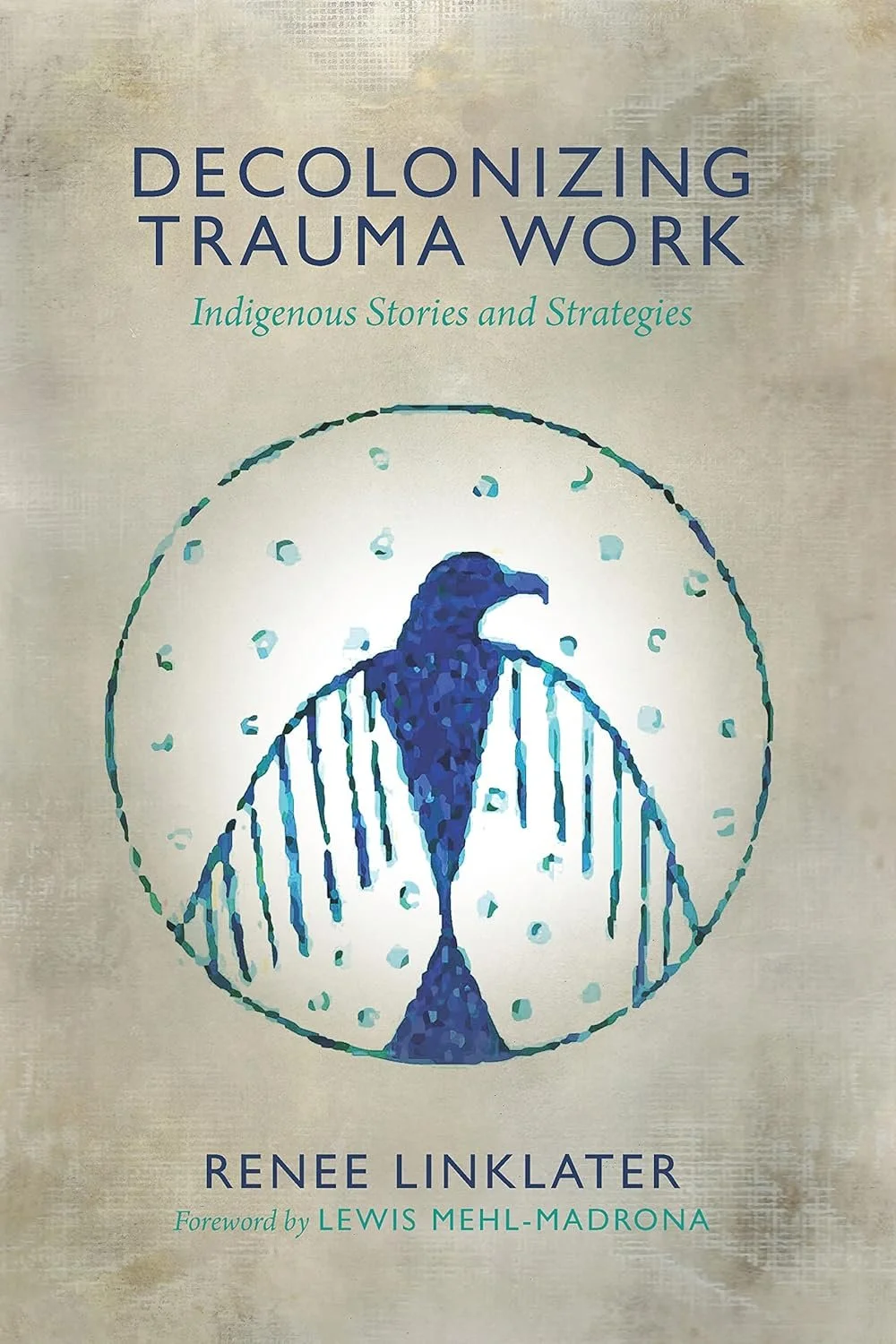

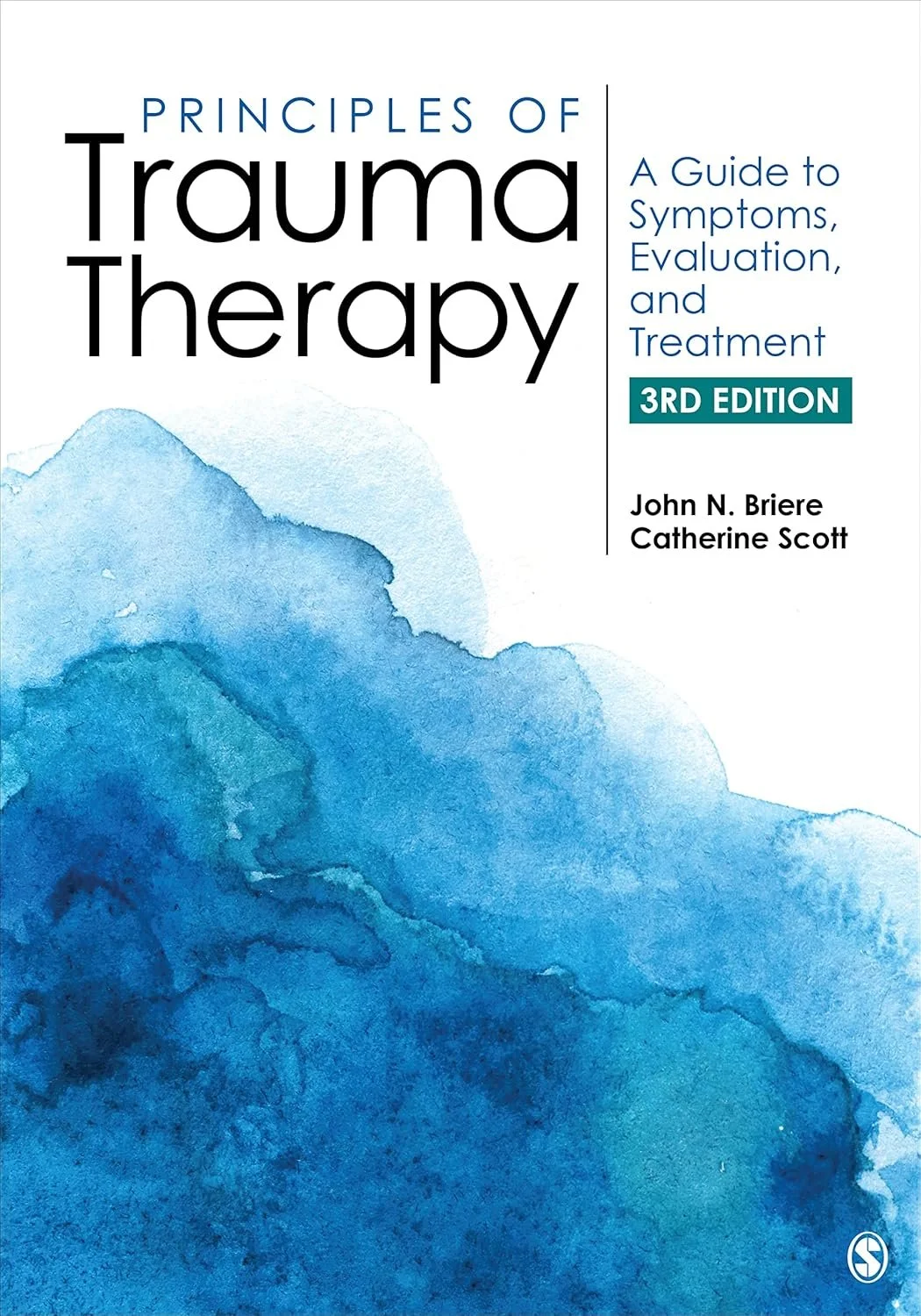
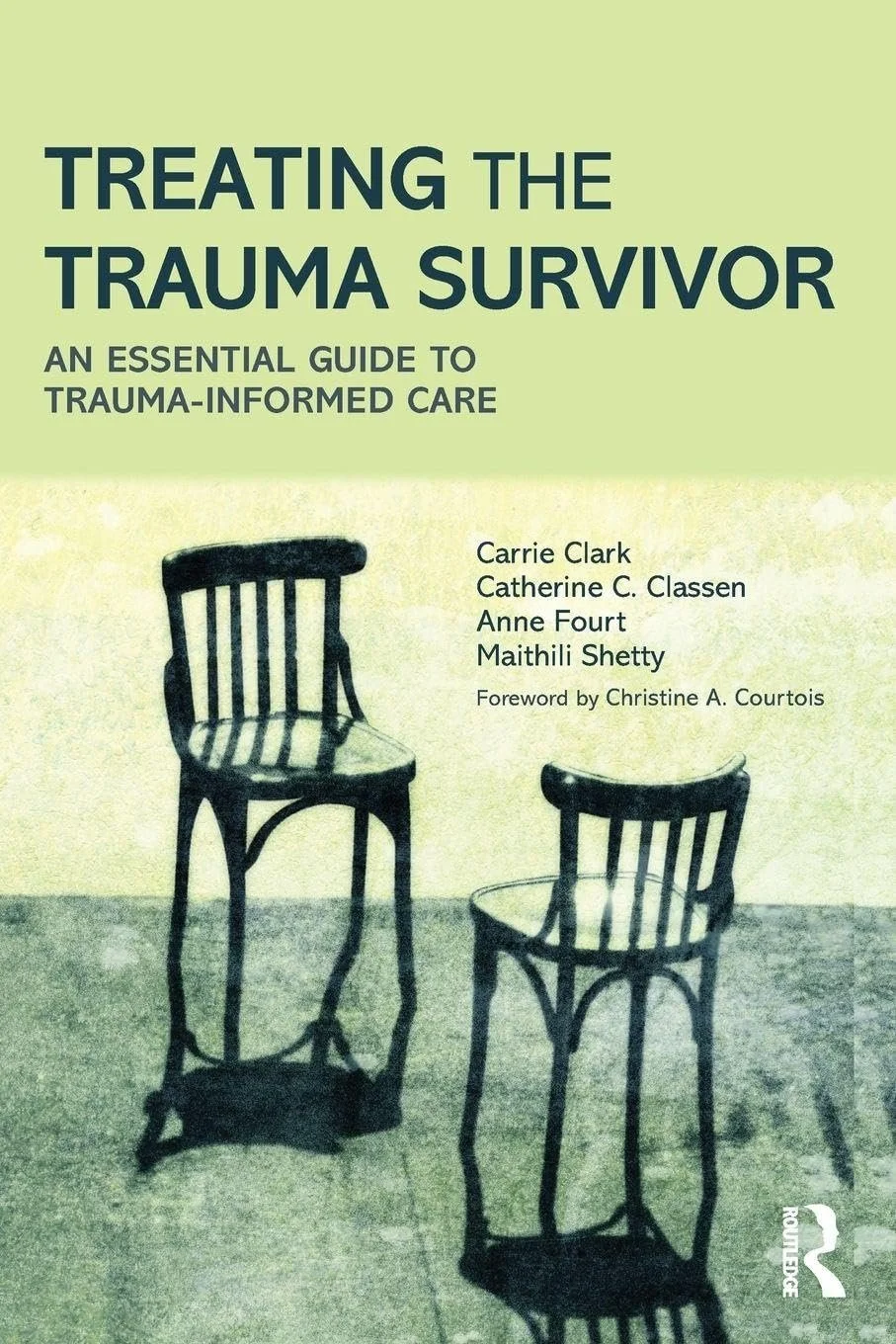

Books
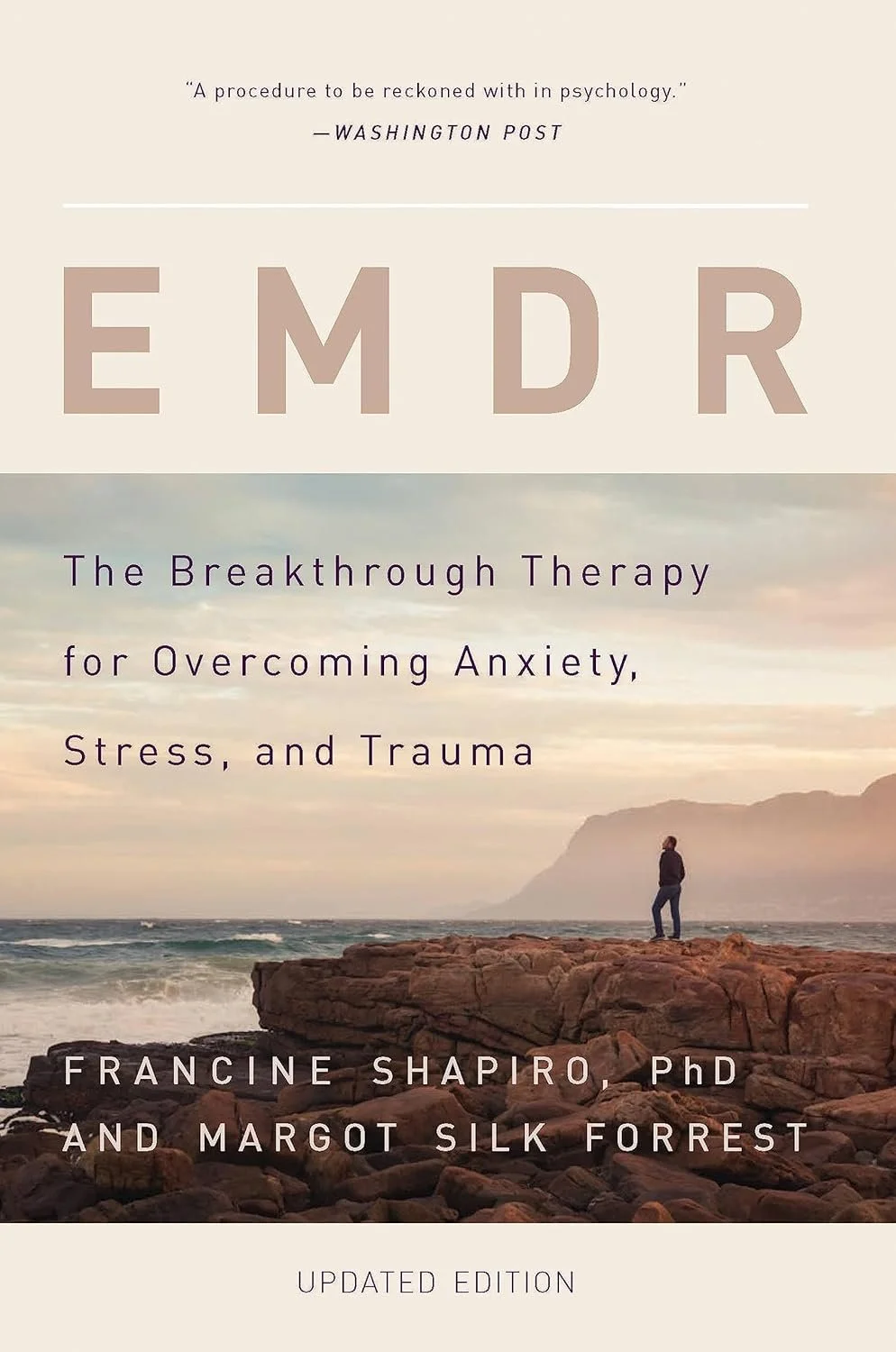
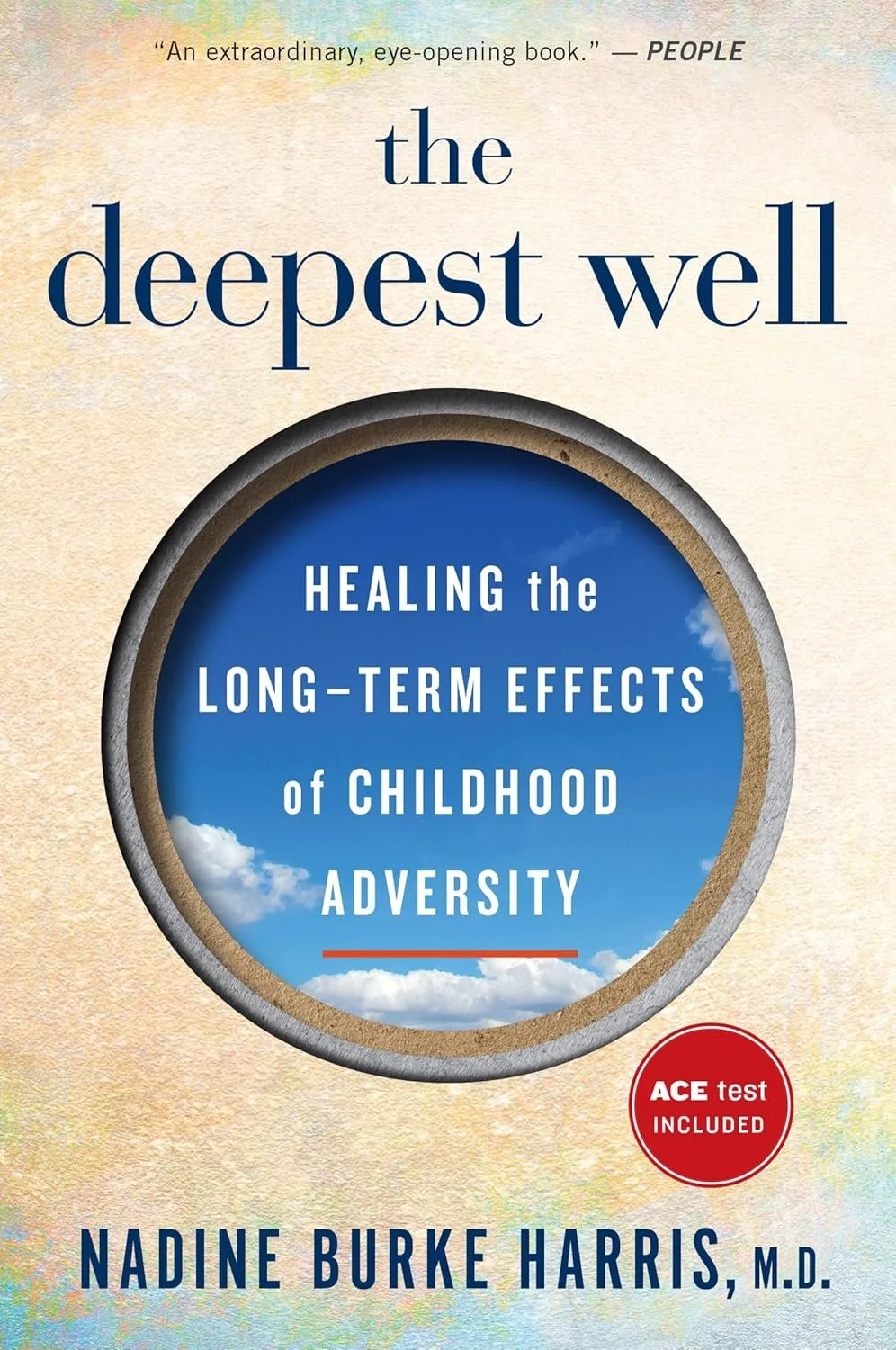
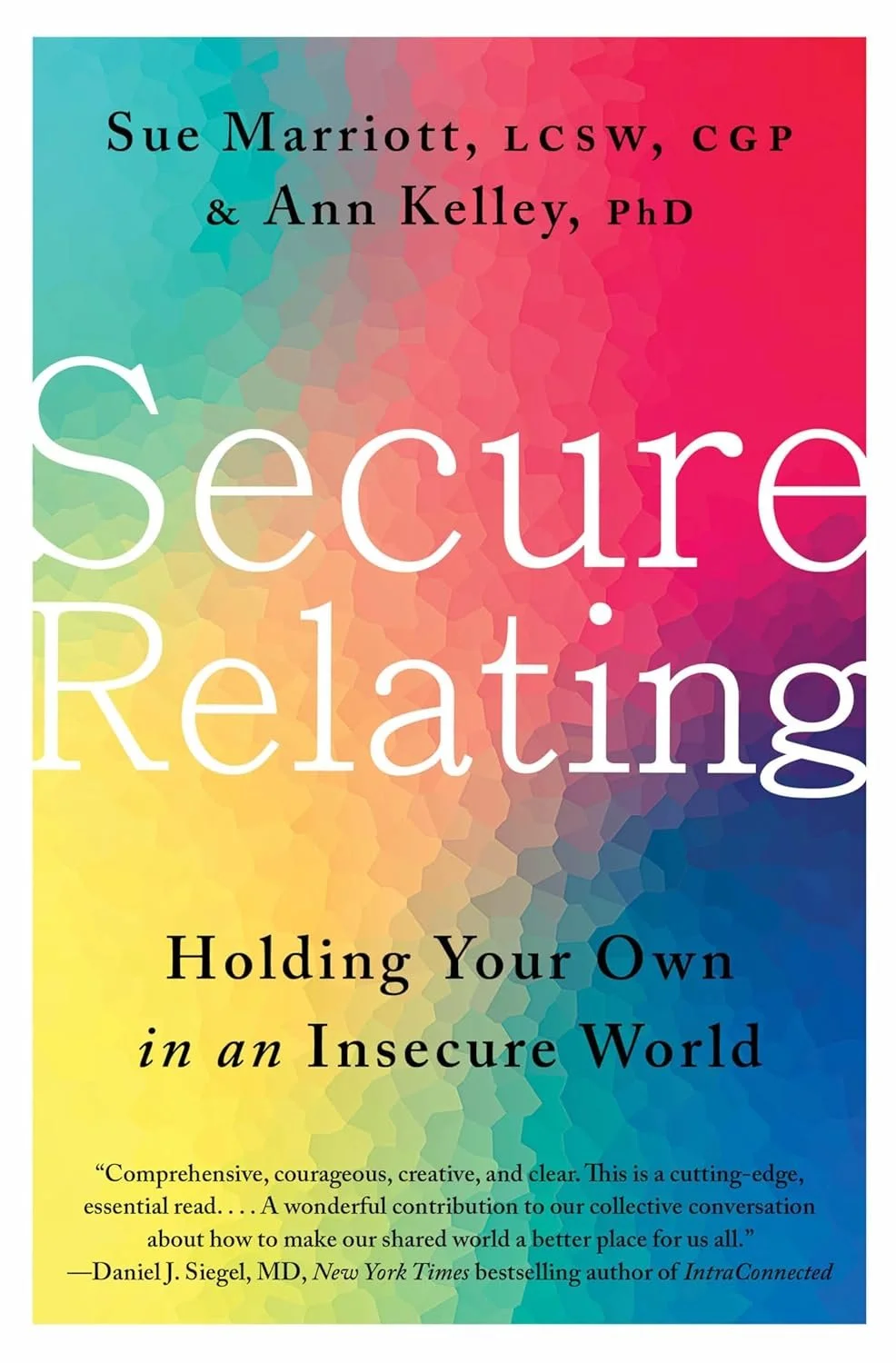
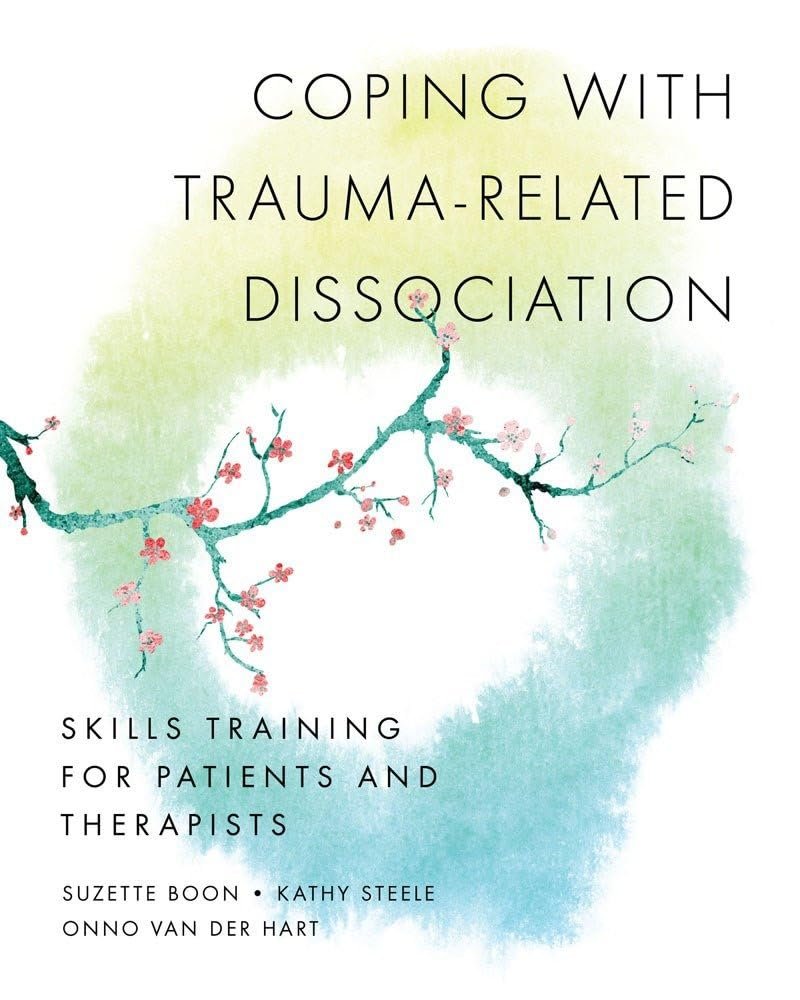
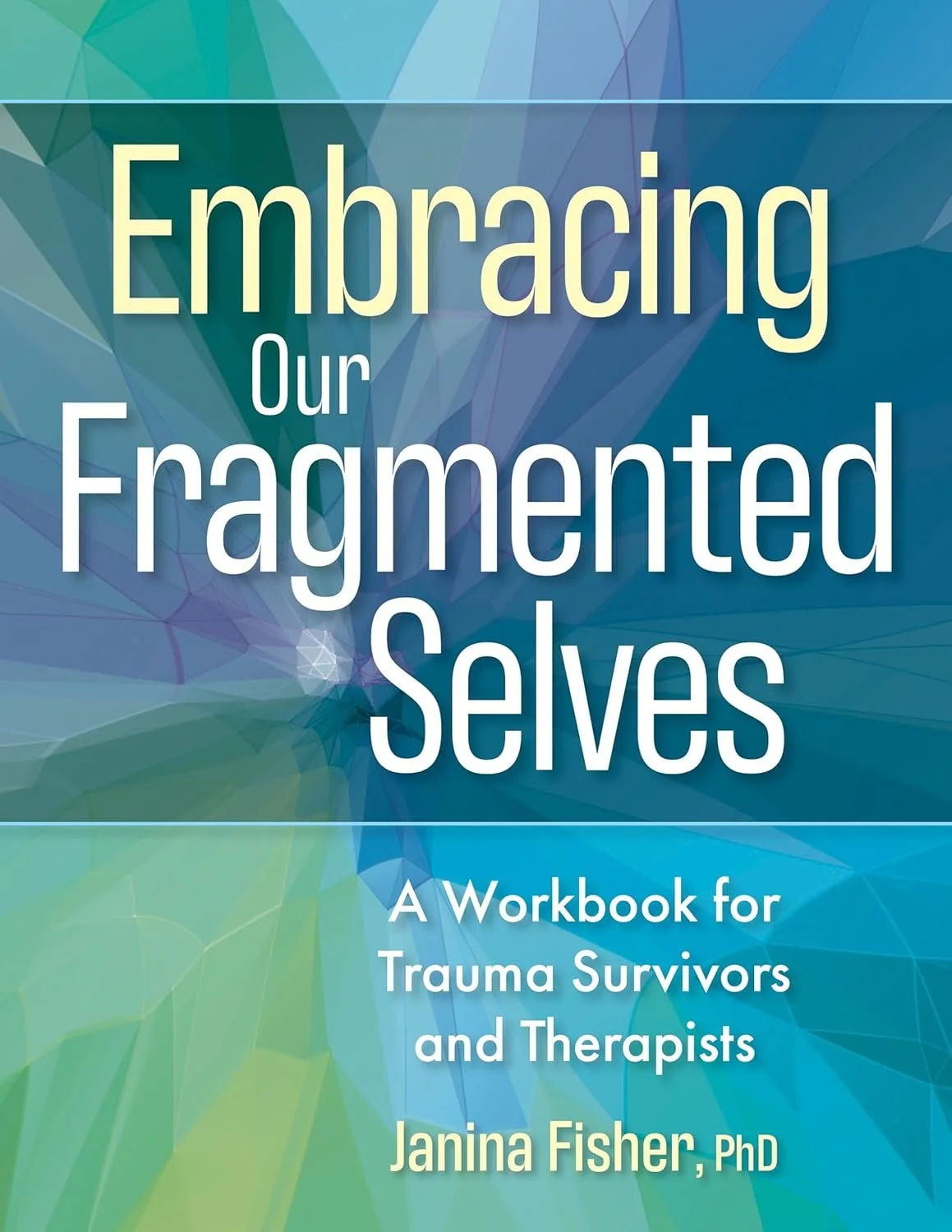
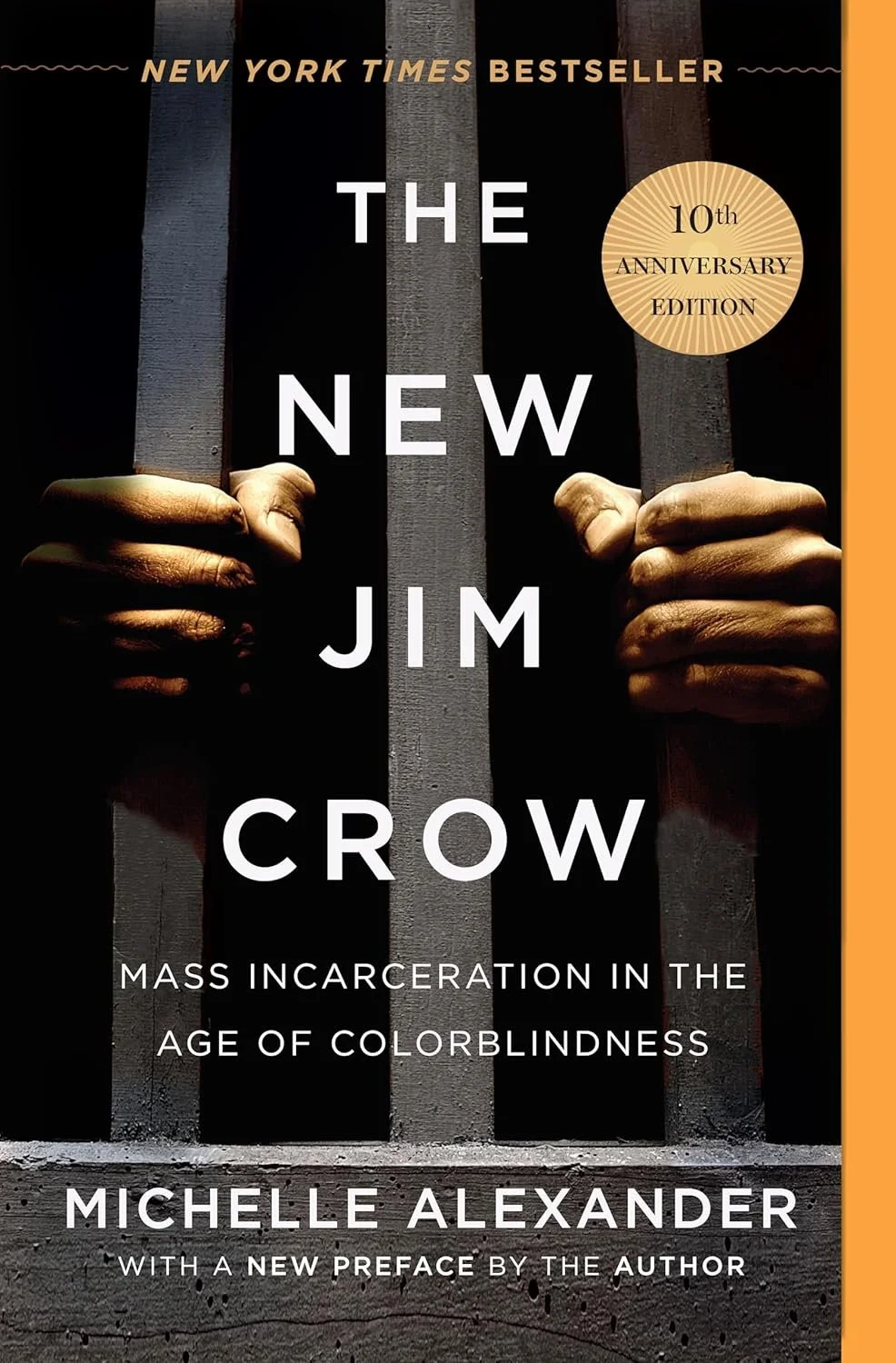
Social, Cultural, Identity-Based Trauma, and Loss
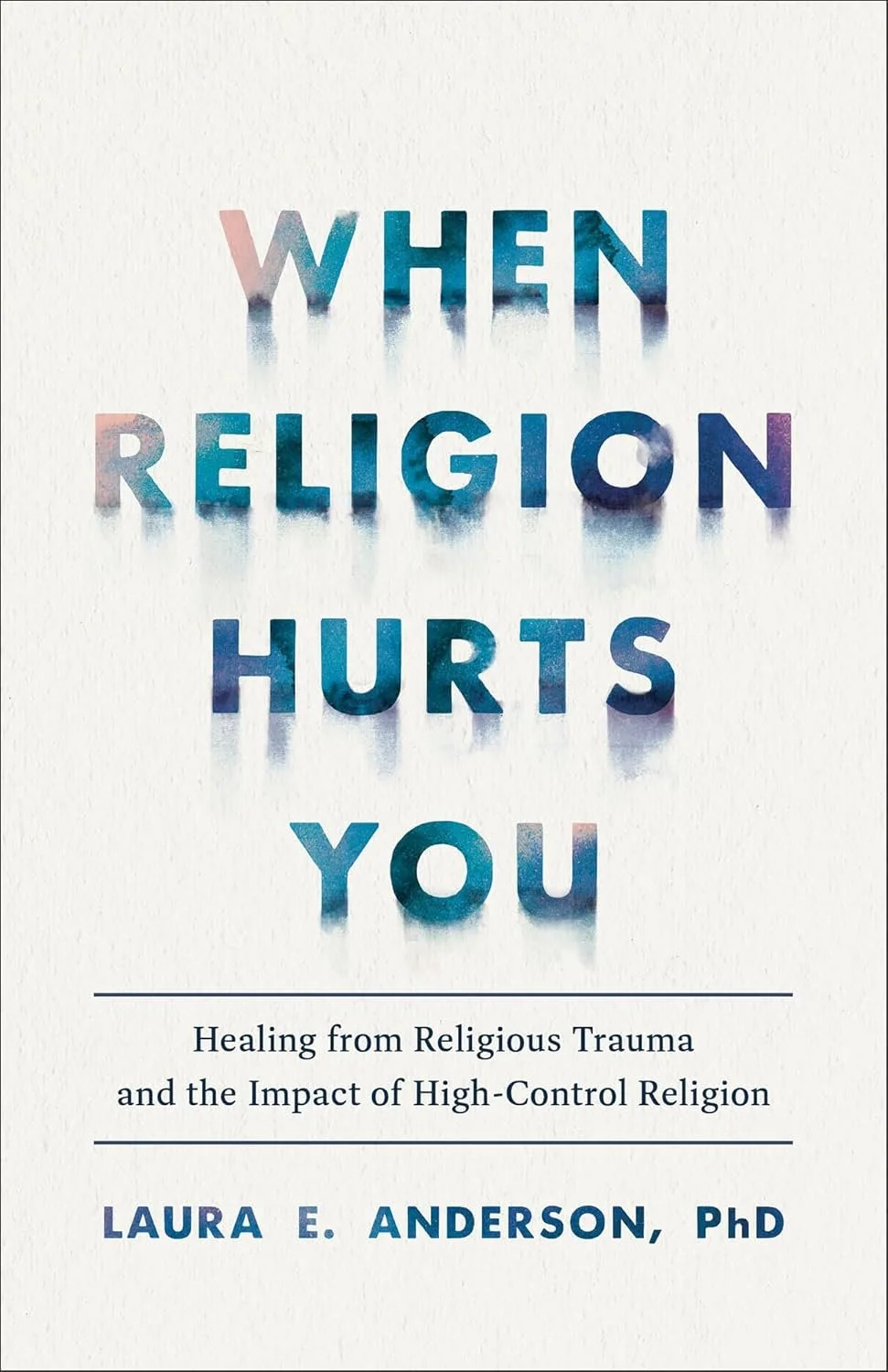
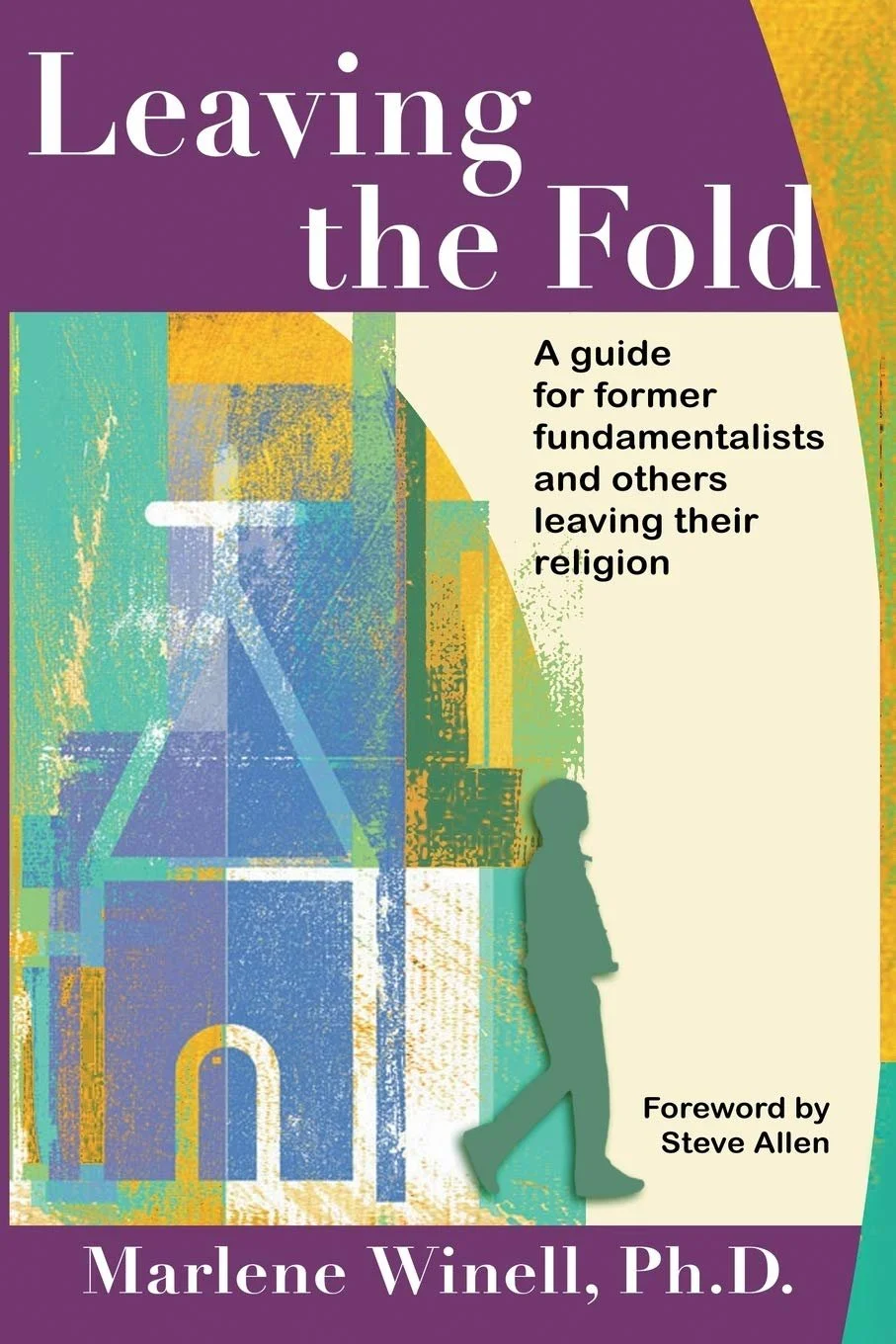
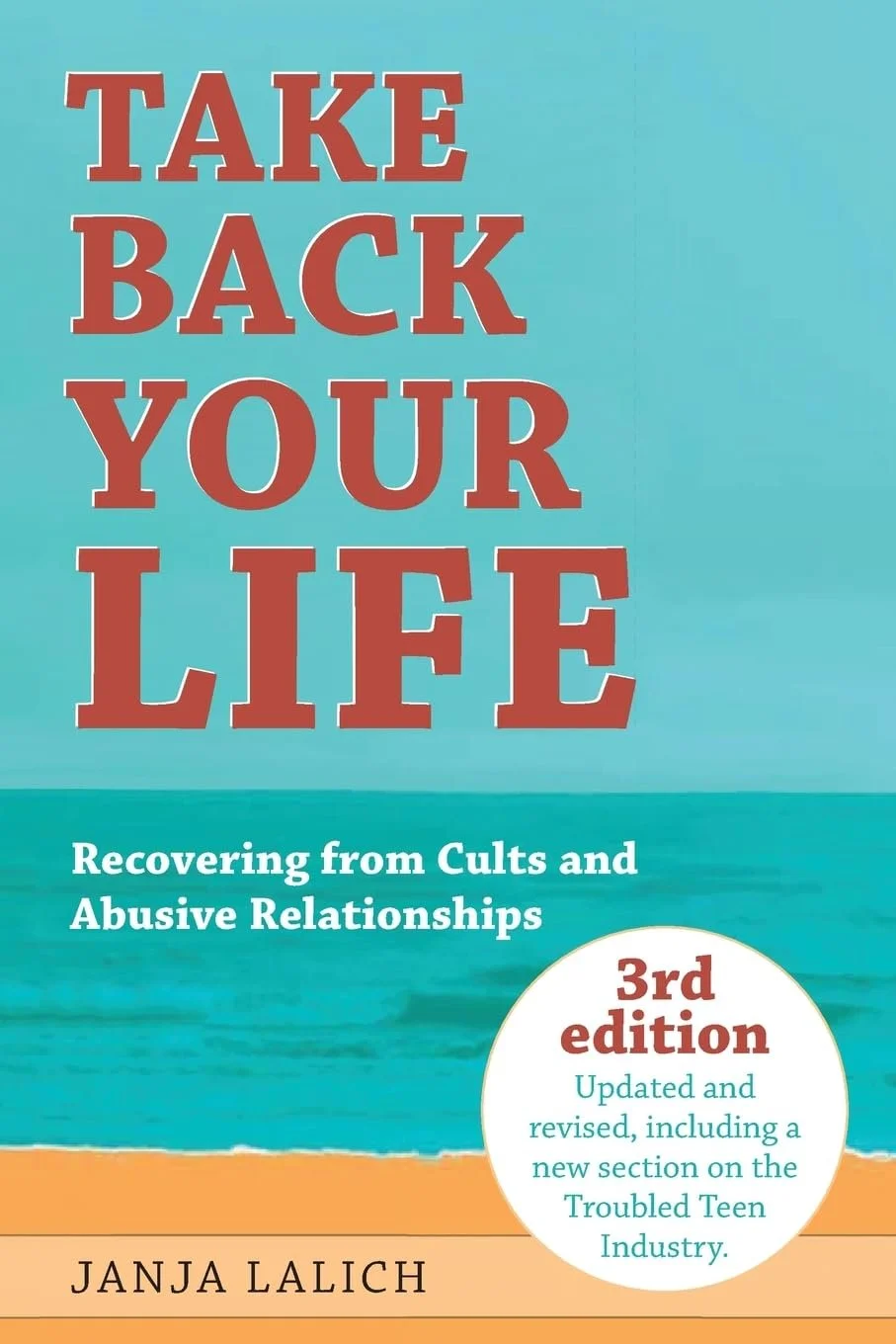
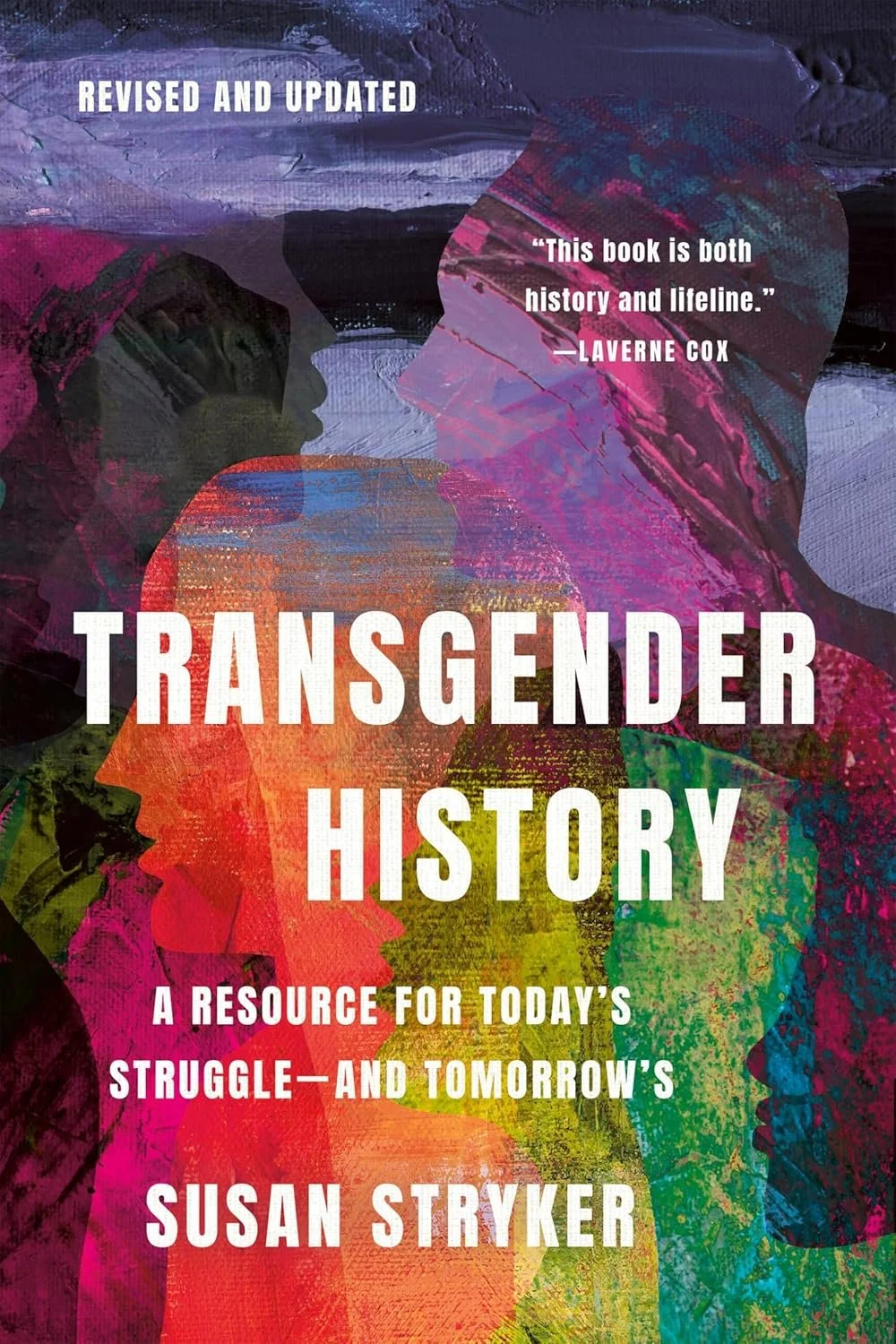
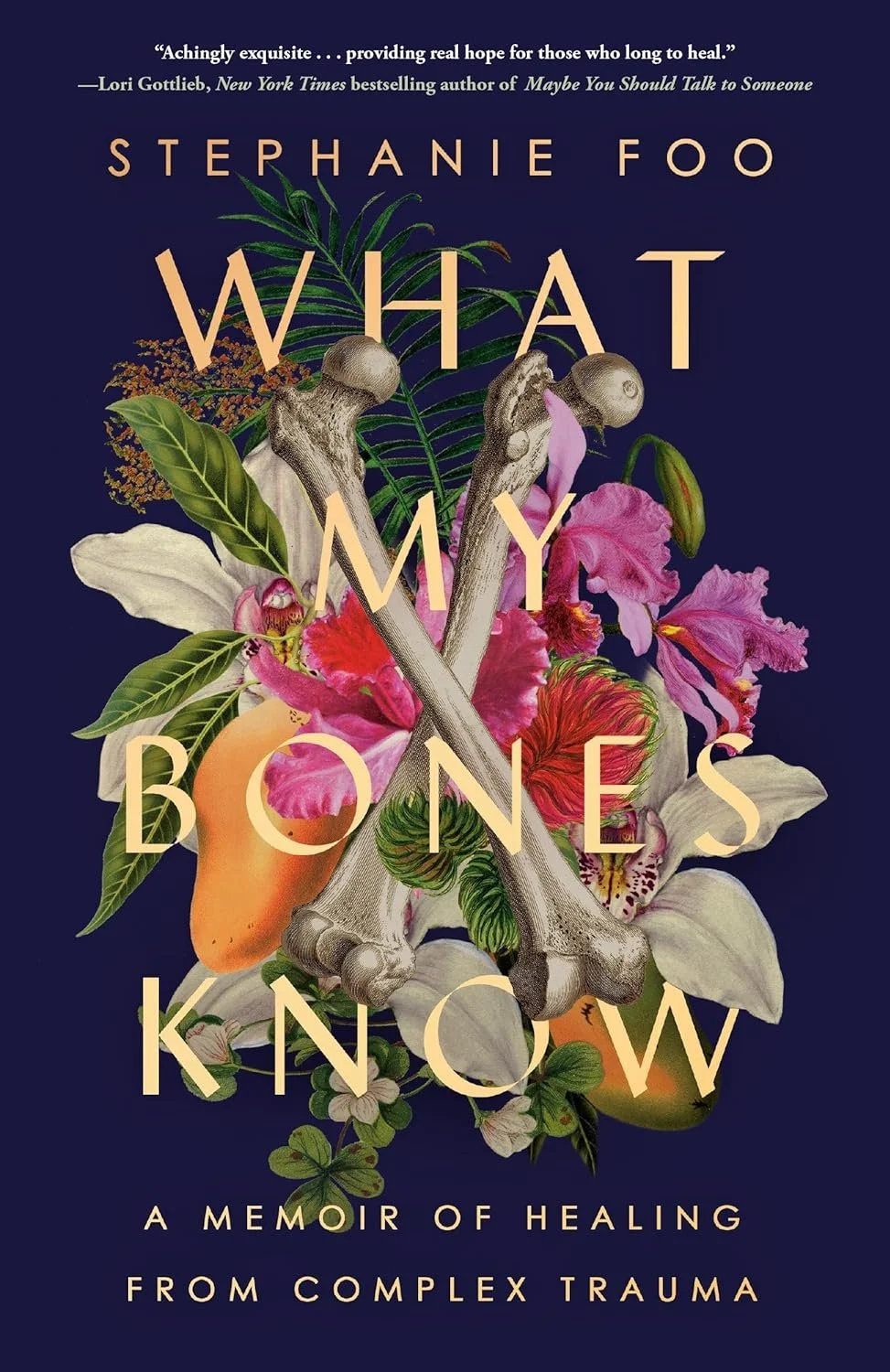

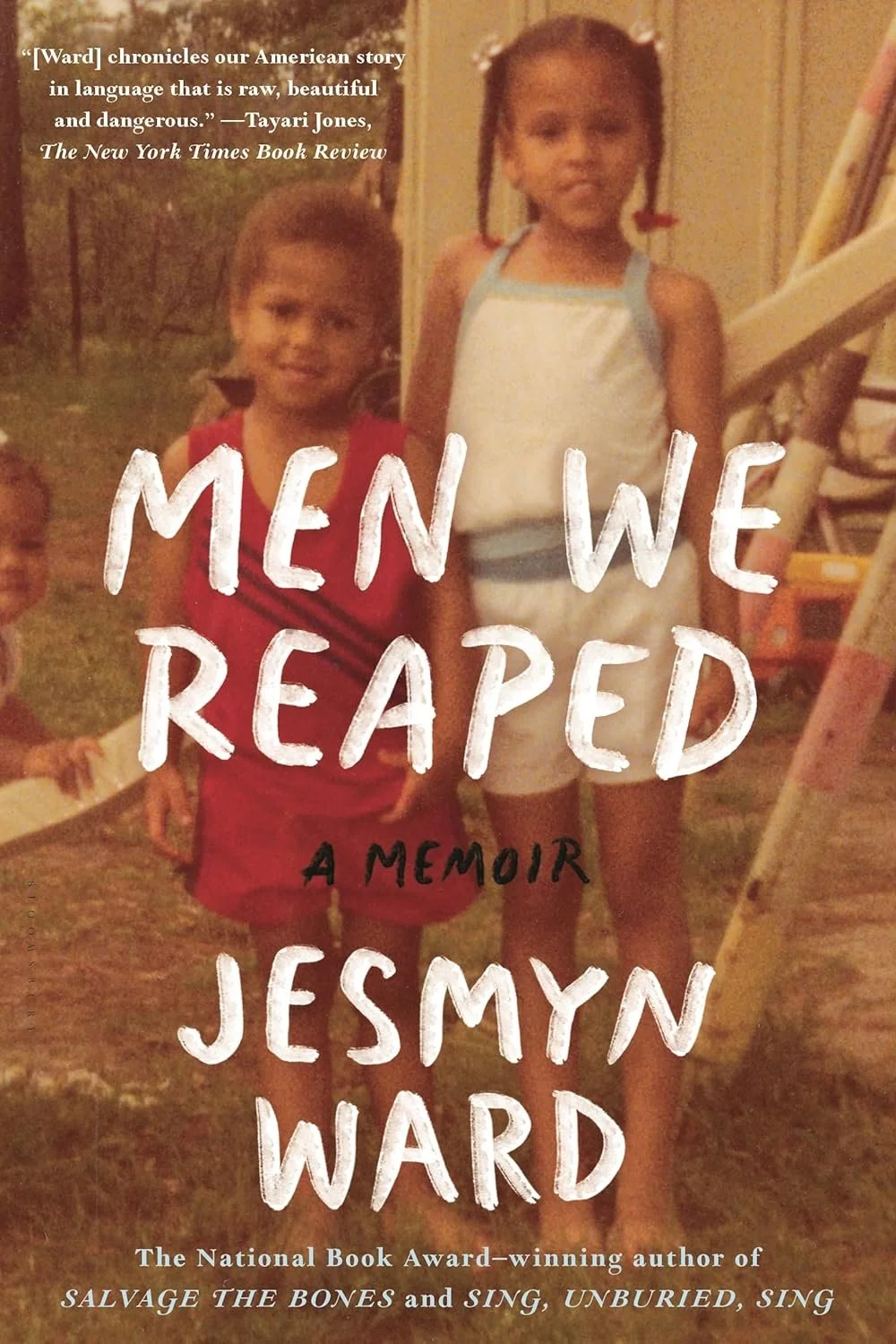
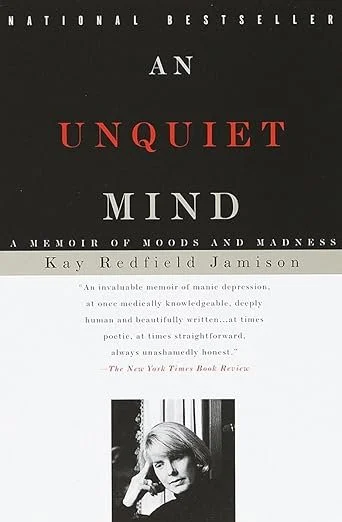
Trauma Memoirs and Lived Experience

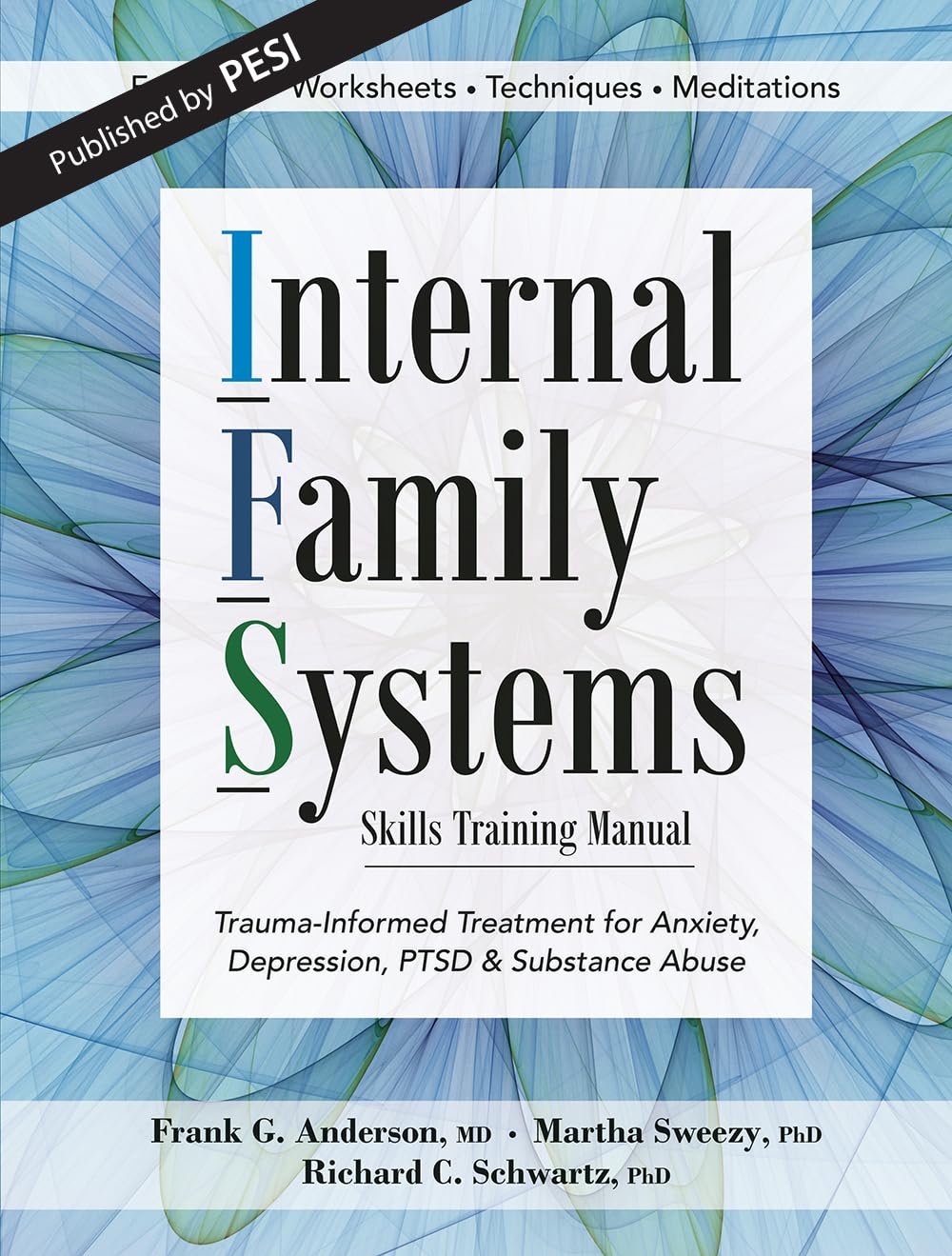
Trauma Treatment and Clinical Practice
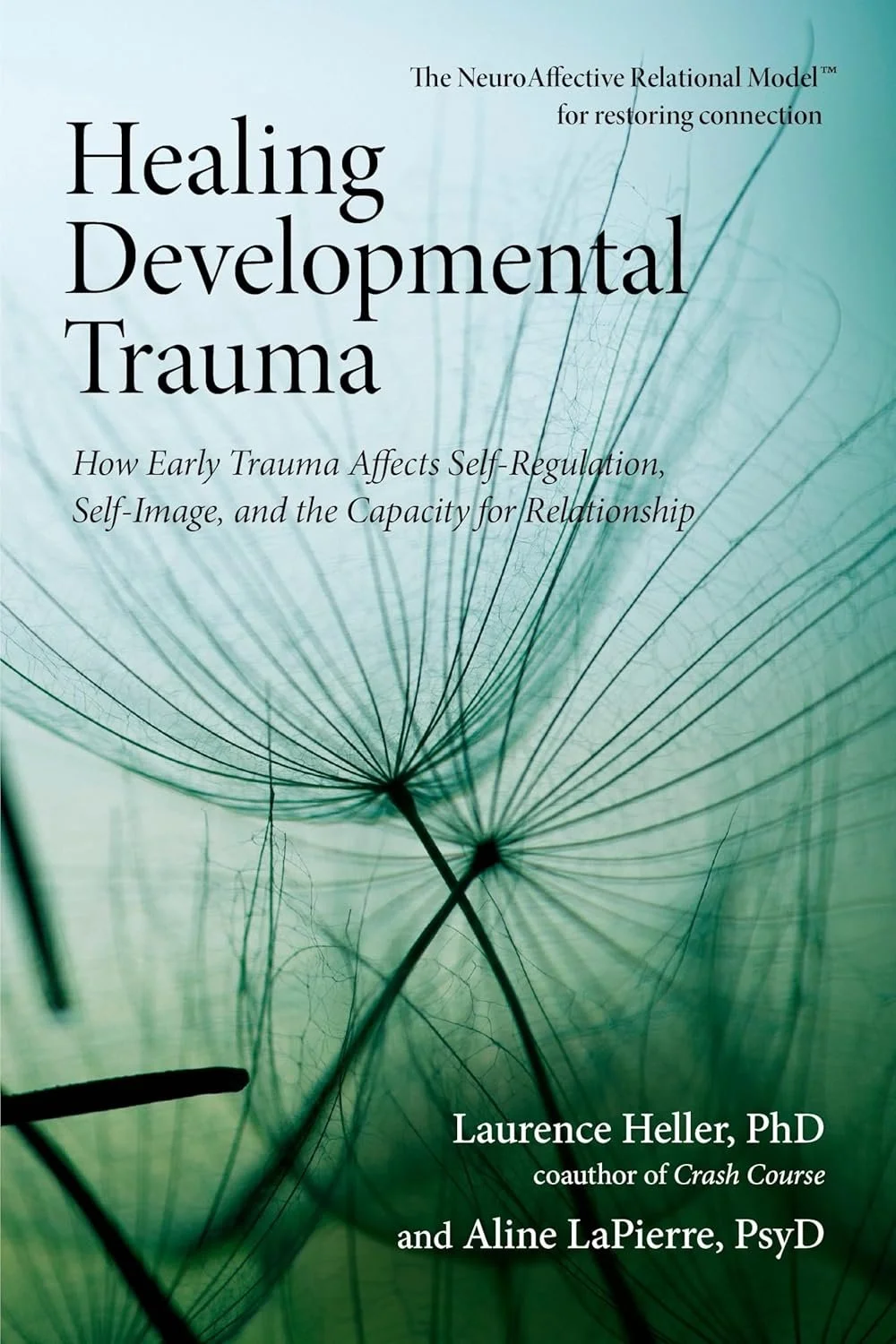
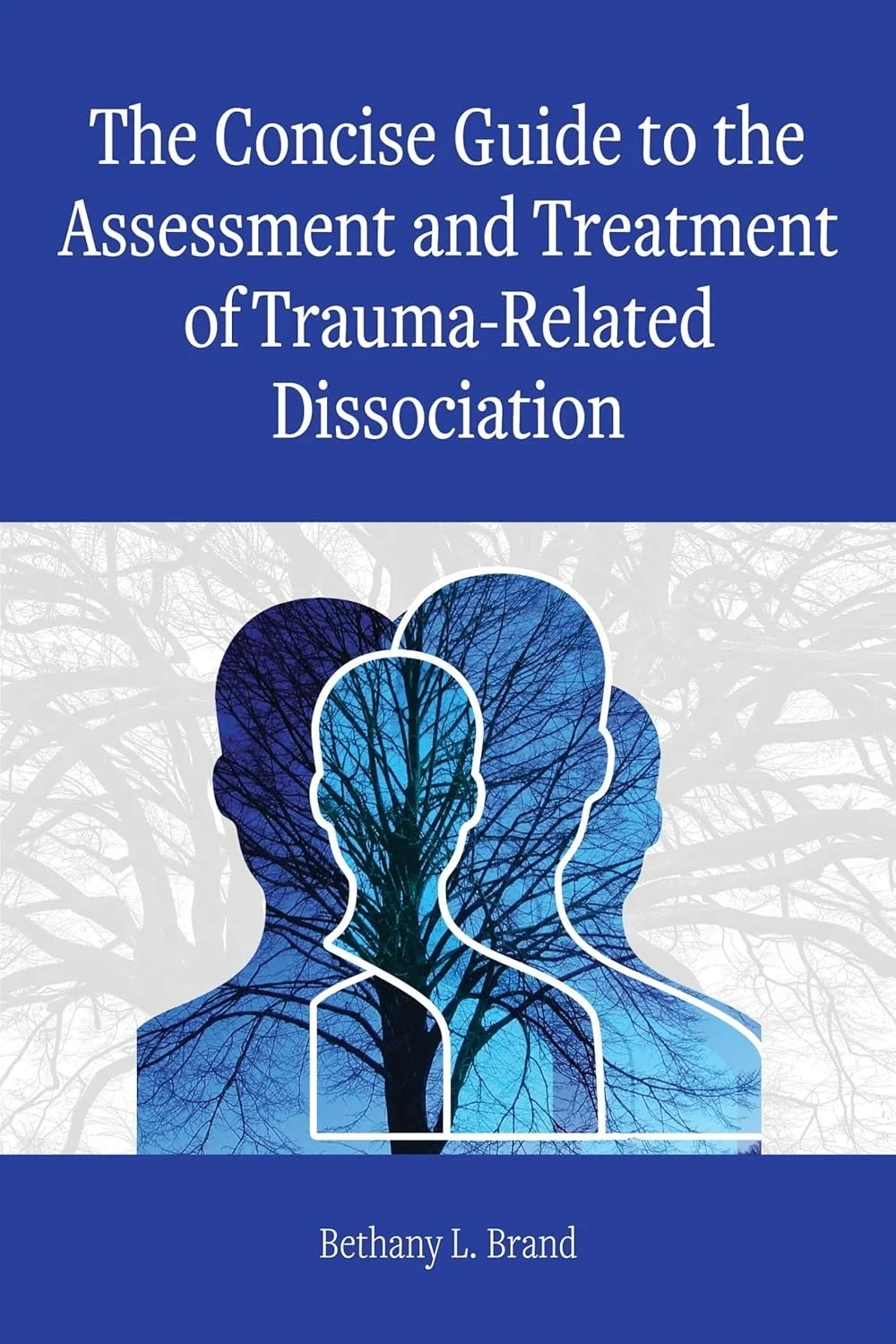
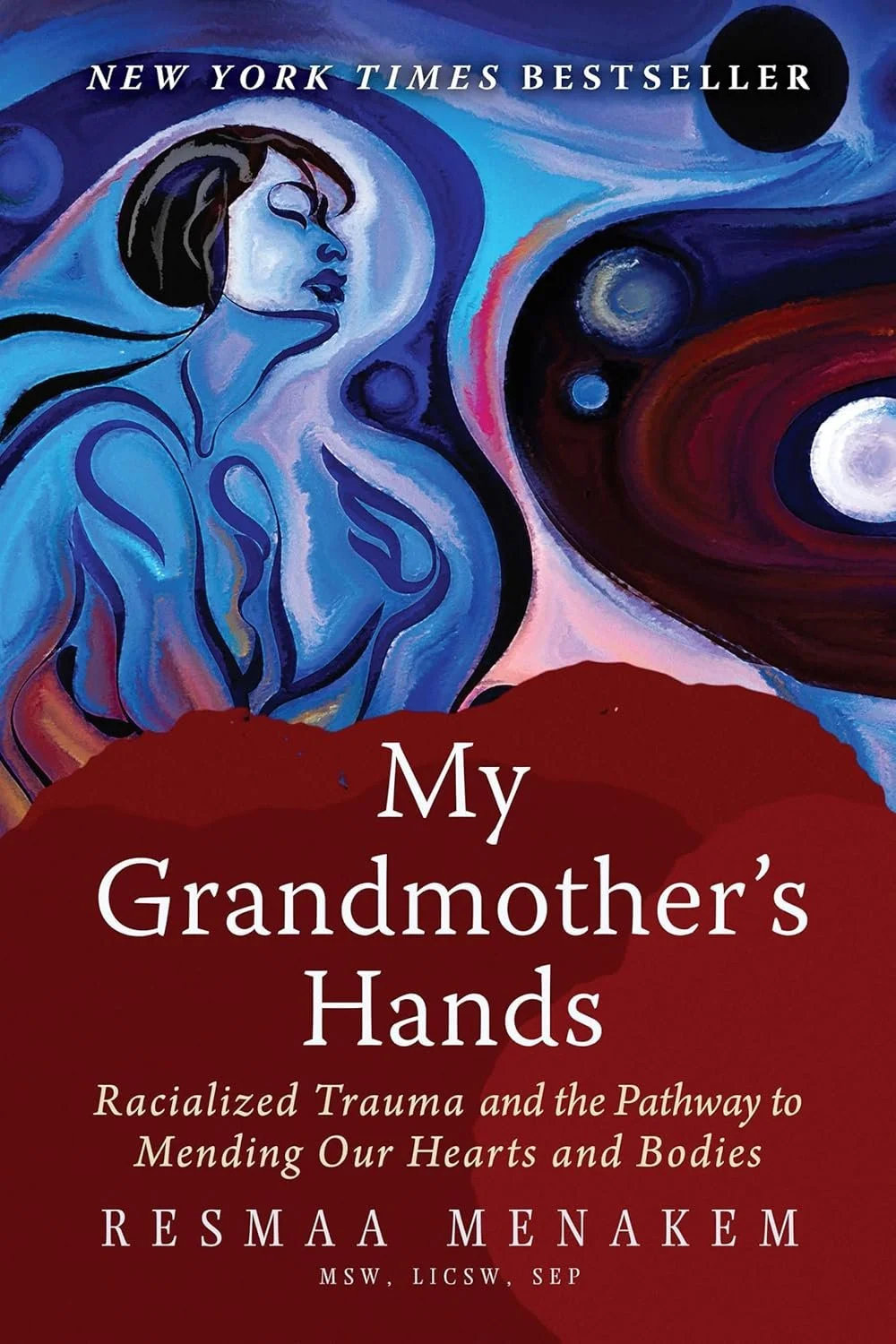


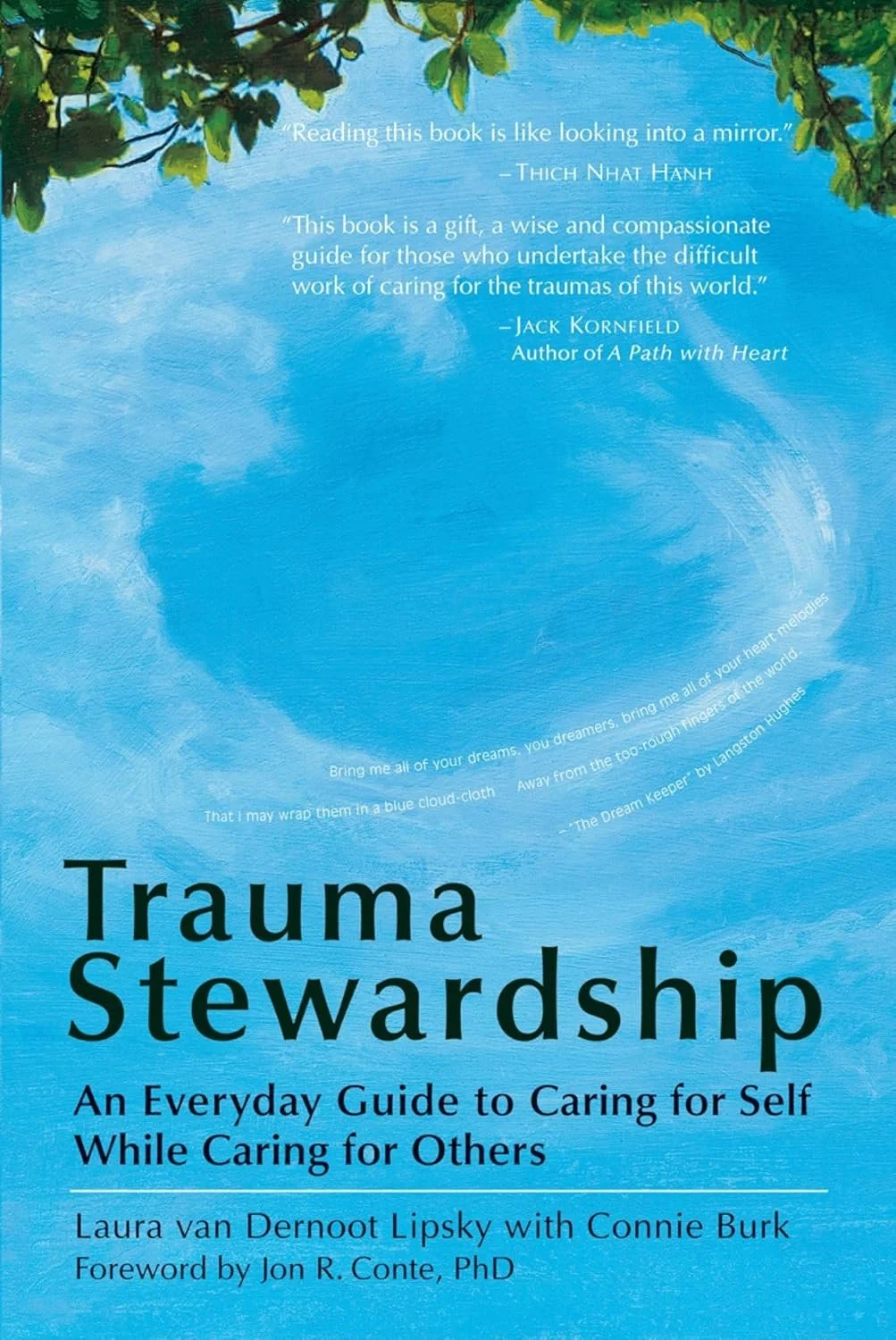
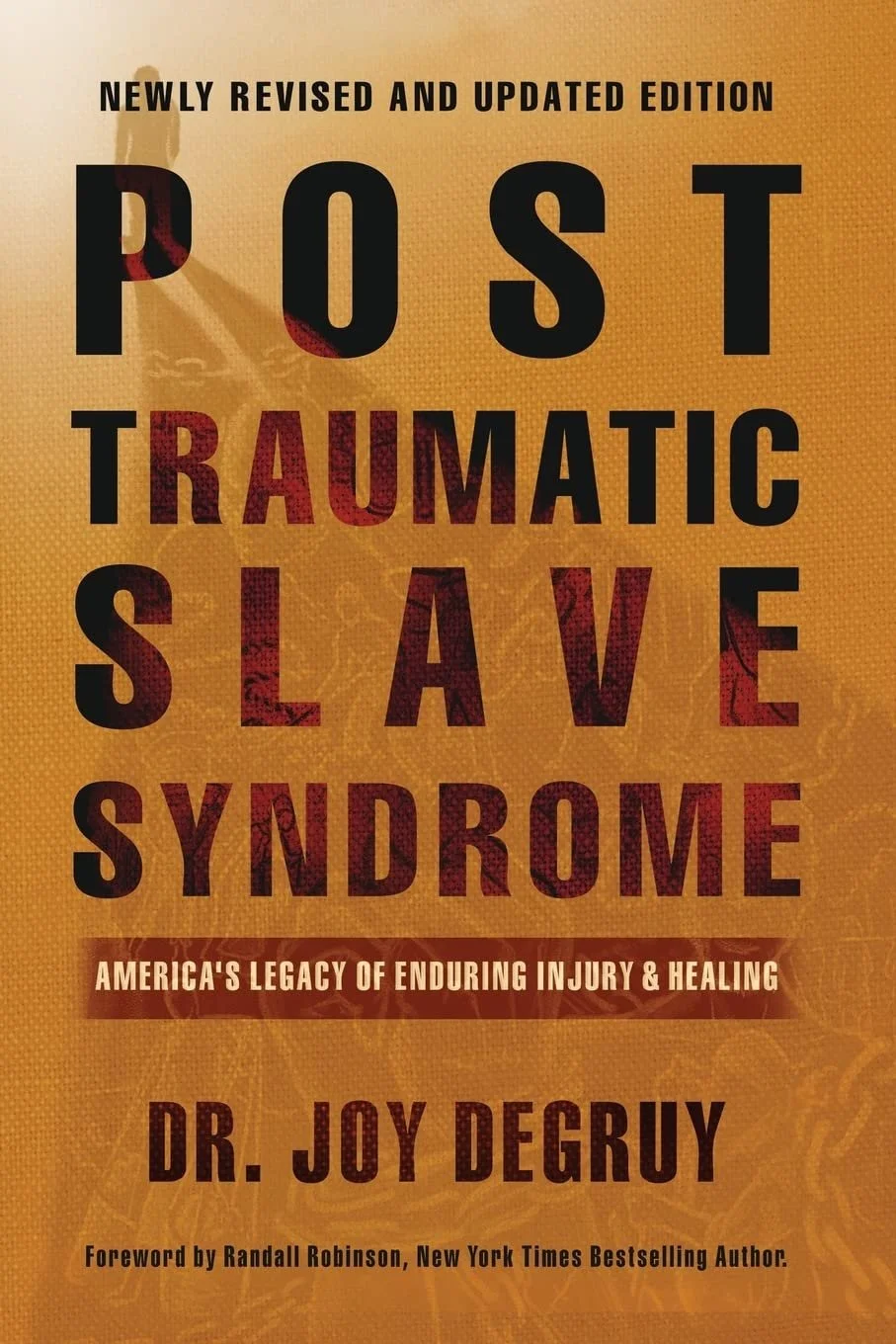



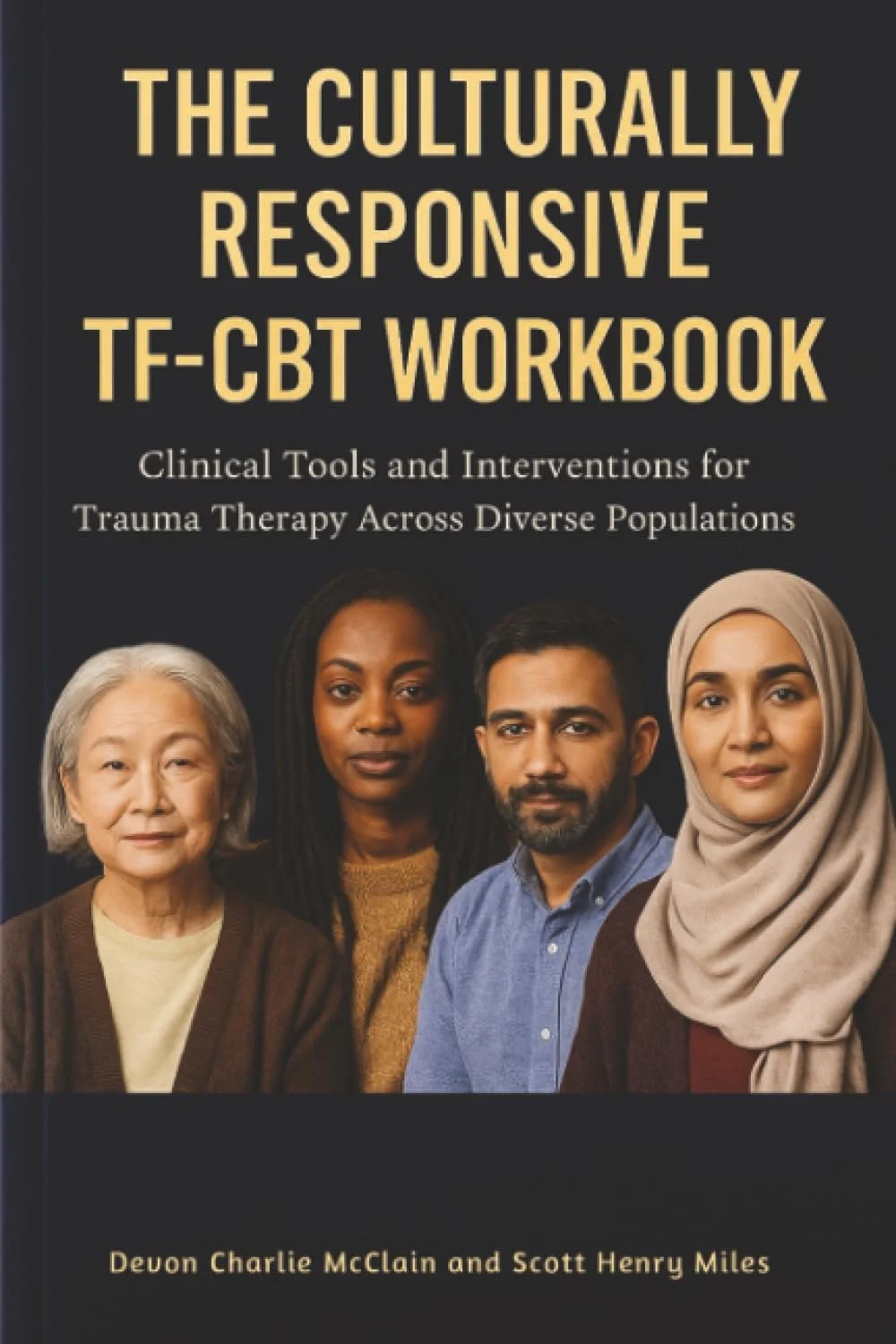
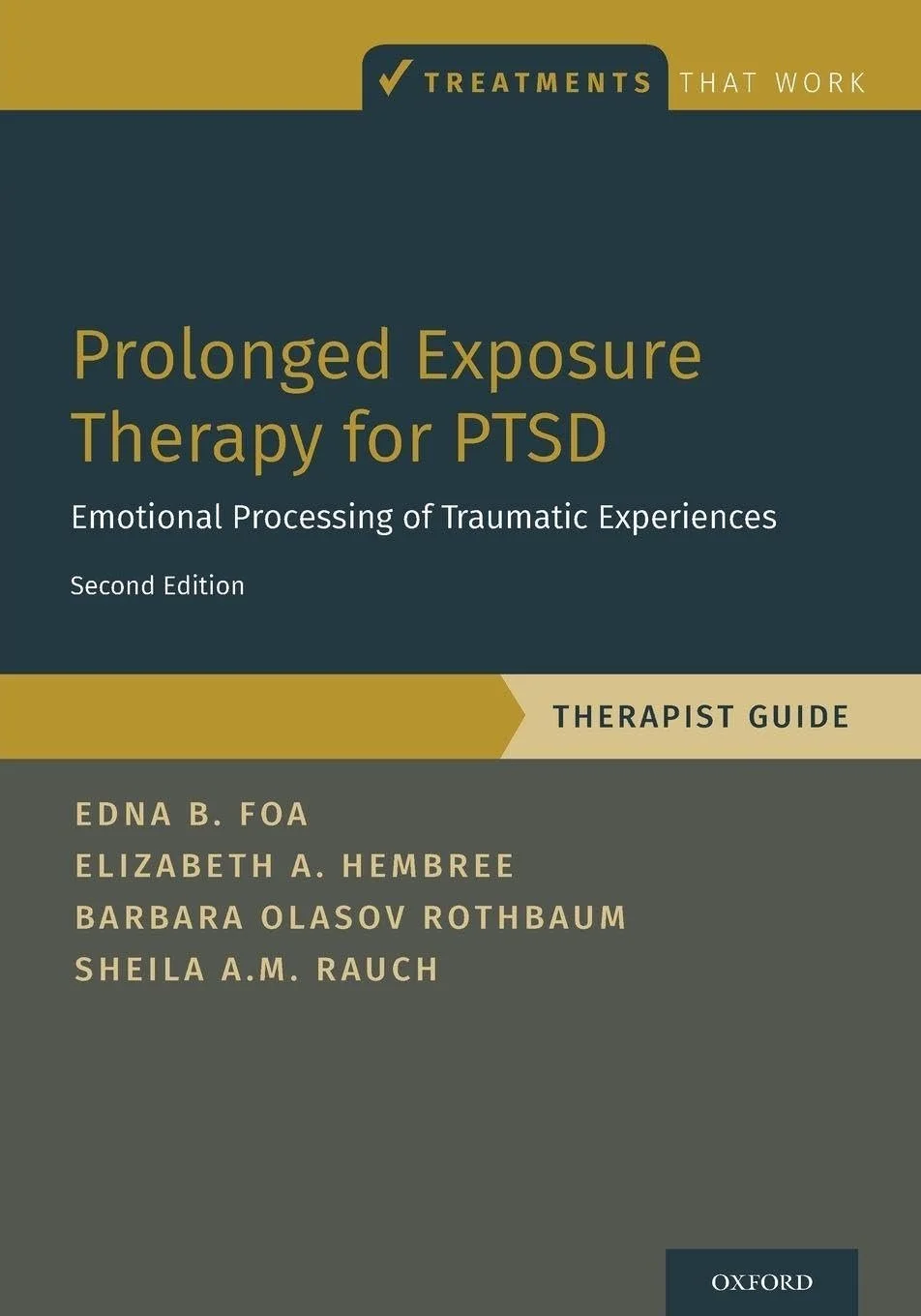
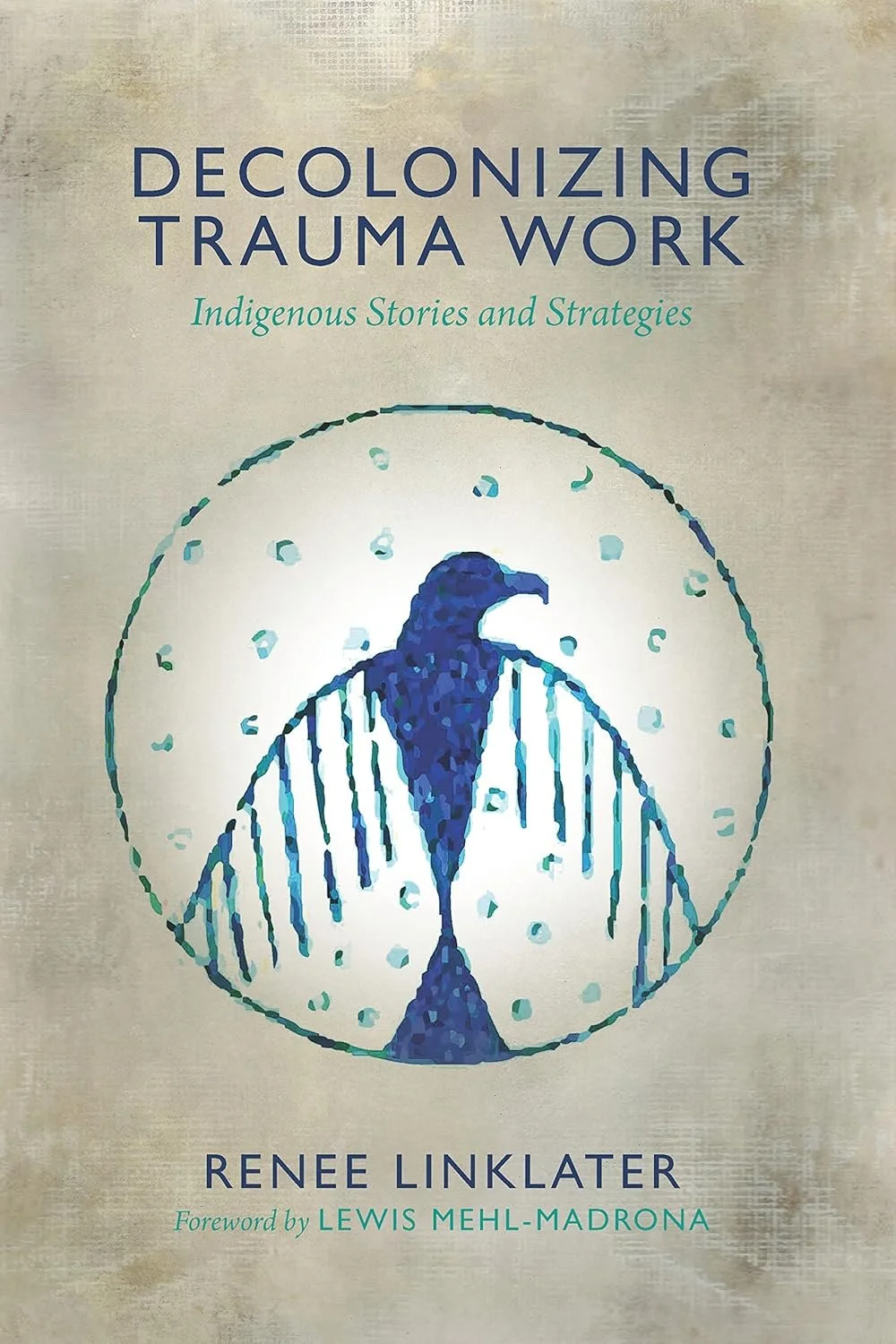




Not only about trauma, but very relevant for understanding attachment, relationships, neuroscience, emotional regulation, and human connection. This is a great option for students who want to better understand trauma through the lens of attachment and relational patterns.
A podcast focused on Polyvagal Theory, nervous system regulation, and trauma-informed ways of understanding emotions, behavior, and relationships. This may be especially helpful for students interested in how the nervous system responds to stress, safety, connection, shutdown, and survival.

A helpful podcast for exploring how trauma histories can show up in parenting, caregiving, attachment, emotional regulation, and family relationships. This may be especially relevant for students interested in intergenerational trauma, family systems, and trauma-informed parenting.

Podcasts
A trauma-focused podcast that explores nervous system regulation, somatic healing, trauma patterns, and the mind-body connection. This one may be especially helpful for students interested in how trauma lives in the body and how healing often involves more than insight alone.
A podcast focused on EMDR therapy, trauma treatment, and clinical practice. This may be especially useful for students who are curious about EMDR, trauma processing, and how clinicians think about healing in structured trauma treatment.
A trauma-focused podcast featuring conversations with clinicians, researchers, authors, and practitioners in the trauma field. Episodes cover a wide range of topics, including complex trauma, dissociation, somatic therapy, attachment, EMDR, IFS, grief, resilience, and clinician development. This is a strong option for students who want exposure to different trauma treatment perspectives and professional voices.
Not trauma-specific, but a strong clinical podcast that explores therapy, psychiatry, diagnosis, medication, evidence-based practice, and mental health treatment more broadly. This is a helpful resource for students who want thoughtful conversations about clinical work, mental health conditions, treatment approaches, and the overlap between psychotherapy and psychiatry.
A strong resource for understanding humanitarian crises, conflict, displacement, aid systems, and global response efforts. It is not therapy-specific, but it helps students understand the broader systems and contexts that shape trauma in war zones, refugee settings, and disaster-impacted communities.
Focuses on humanitarian work, crisis response, ethics, protection, displacement, and global aid. This may be useful for students interested in NGO work or international social work because it highlights the realities and complexities of working in emergency and conflict-affected settings.